Reshape your smile without giving up nature
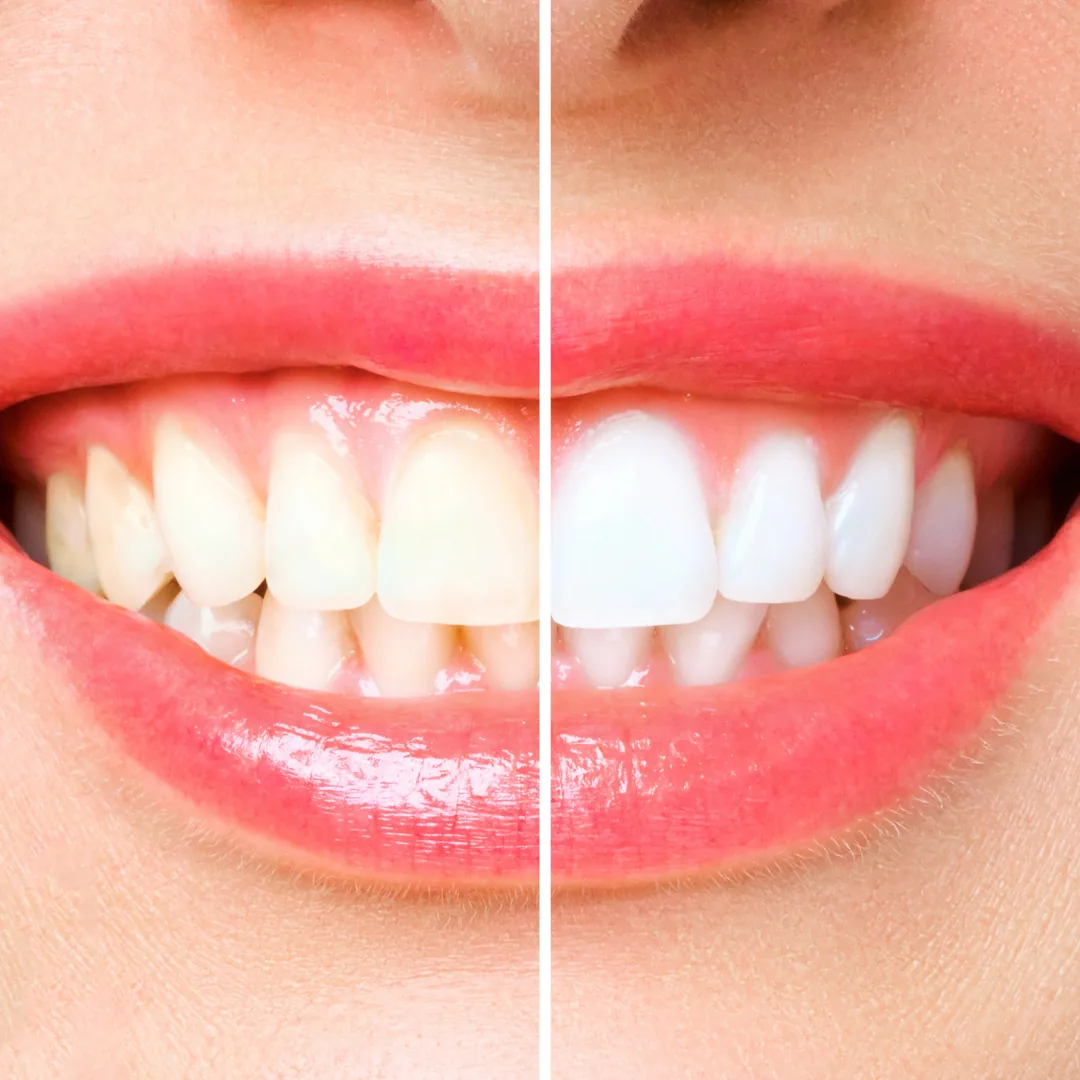
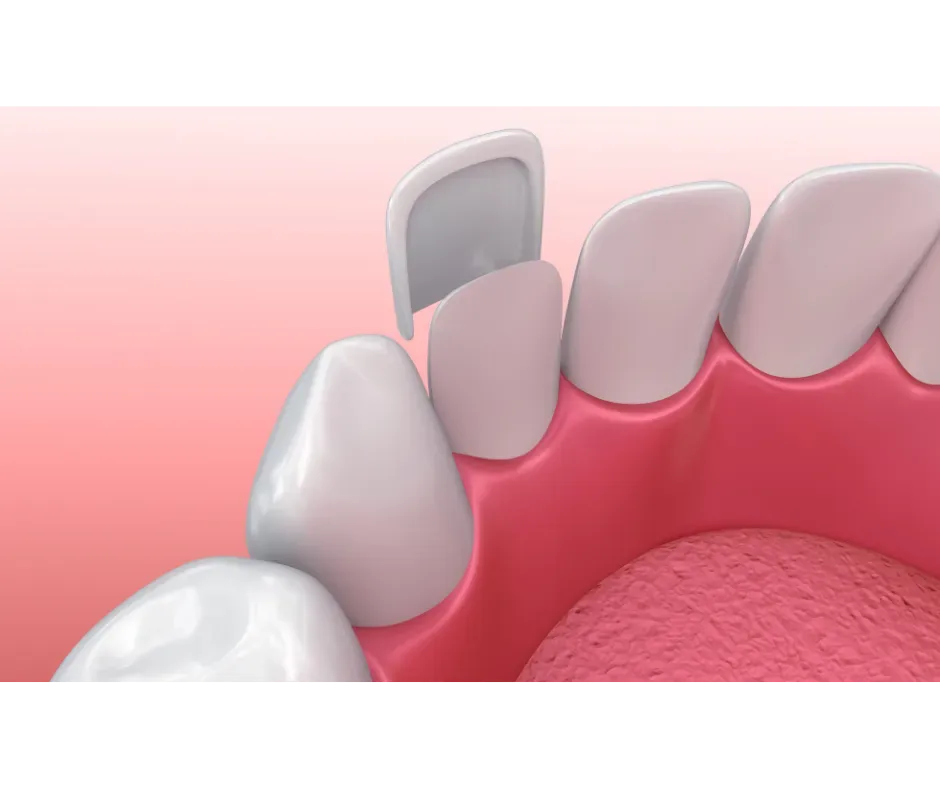
Veneers are thin, custom porcelain shells bonded to the front surface of your teeth to correct shape, color, length, alignment, or chipped edges. The right veneers don't make your smile look 'done', they make it look like the smile you'd have if everything had gone perfectly.
Designed around your face, not a template
We start with photos, a 3D scan, and a conversation about what you want to change. Dr. Sidhu uses digital design software to preview your future smile, so you see and approve the proportions, shade, and shape before we prep a single tooth.
How the appointments flow
Visit one is design and prep, minimal tooth reduction (often less than 0.5 mm) and impressions or scans for the lab. We place beautiful temporaries in the meantime. Visit two, 1-3 weeks later, is bonding the final porcelain. We'll do final shape and bite refinement at a short follow-up.
Porcelain vs. composite veneers
Porcelain and composite veneers solve similar problems differently. Porcelain veneers are custom-milled thin shells of dental ceramic, extremely thin, lifelike translucency, stain-resistant, and 15-20 year lifespan. They require lab fabrication so they're a two-visit process. Composite veneers are sculpted directly on the tooth in a single visit using tooth-colored resin, much more affordable, easier to repair, but shorter-lived (5-7 years) and more prone to staining.
For a single tooth or two, composite is often the right starting point. For a complete smile makeover that needs to look great for two decades, porcelain is the higher-value investment. Dr. Sidhu shows physical samples of both at the consultation.
Who's a good candidate for veneers?
Veneers work best on healthy teeth that need cosmetic improvement, discoloration that doesn't respond to whitening, small chips, mild crowding, gaps, or worn edges. The teeth underneath need to be cavity-free, the gums healthy, and the bite stable.
Veneers are generally not the right answer for: severe crowding (orthodontics or aligners first), deep cavities or large fillings on the teeth being veneered (consider crowns), uncontrolled bruxism without a nightguard (veneers can fracture under heavy grinding), or active gum disease (treat that first). We're honest at the consultation about when veneers are the answer and when something else fits better.
What to expect, step by step
Here's exactly what happens at a porcelain veneers appointment at Cusp Dental, from the moment you walk in to the followup.
-
Smile design consultation
We photograph your smile, discuss what you want to change, show before/after examples, and design a preview of your new smile. You approve the look before any tooth preparation starts.
-
Tooth preparation
Under local anesthesia, a thin layer of enamel (typically 0.5-0.75mm) is removed from the front of each tooth being veneered. This makes room for the porcelain without bulking up the tooth.
-
Impressions and temporaries
A 3D scan or traditional impression captures the prepared teeth. Temporary veneers are placed, giving you a preview of the final look while the permanents are being made (2-3 weeks).
-
Permanent veneer fitting
The temporaries come off and the permanent porcelain veneers are tried on with try-in paste. We adjust the bite, check the fit, and confirm shade in natural light before bonding.
-
Bonding and polish
Each veneer is bonded with a clinical adhesive and cured with a blue light. We polish the margins and check your bite under chewing pressure. The new smile is locked in.
Pricing & insurance
We don't post per-service pricing here because every case is different. Call us at (916) 451-4856 for a personalized estimate. We verify your insurance benefits at no charge and give you a written all-in estimate before any treatment begins.
- Insurance
- Veneers are typically considered cosmetic and not covered by PPO insurance. Cases where veneers fix a functional issue (fractured tooth, severe wear) may be partially covered.
- Financing
- CareCredit with extended-term financing is the most common payment method, and Cherry is a frequent second choice since veneers are rarely insured. We also accept HSA/FSA cards for cases with documented functional reasons.
A full set of 6-10 upper veneers typically runs $7,000-$22,000. Some patients combine 2-4 porcelain veneers on the most visible teeth with conservative composite touch-ups elsewhere. We give a written all-in estimate before treatment starts.
Common questions about porcelain veneers
How much do veneers cost?
Custom porcelain veneers typically run $1,200-$2,500 per tooth depending on complexity. Most insurance considers them cosmetic and doesn't cover them, but we offer financing to spread the cost over time.
Are veneers reversible?
No, placing veneers requires removing a thin layer of enamel, which is permanent. That's why we plan extensively up front and let you preview the result before committing.
How long do veneers last?
Well-cared-for porcelain veneers commonly last 10-20+ years. The most common reasons for replacement are decay forming at the margin or chipping from grinding, we'll fit a nightguard if you grind.
Will they look fake?
Not when they're well-designed. Modern porcelain has translucency, surface texture, and color variation that mimics natural enamel closely. The fake-looking veneers from the early 2000s are a thing of the past, when designed thoughtfully.
Ready to book your porcelain veneers appointment?
We're in-network with most major PPO plans, verify your benefits at no cost, and never push treatment you don't need. Call us or book online, same-day visits are usually available.