When a tooth needs more than a filling
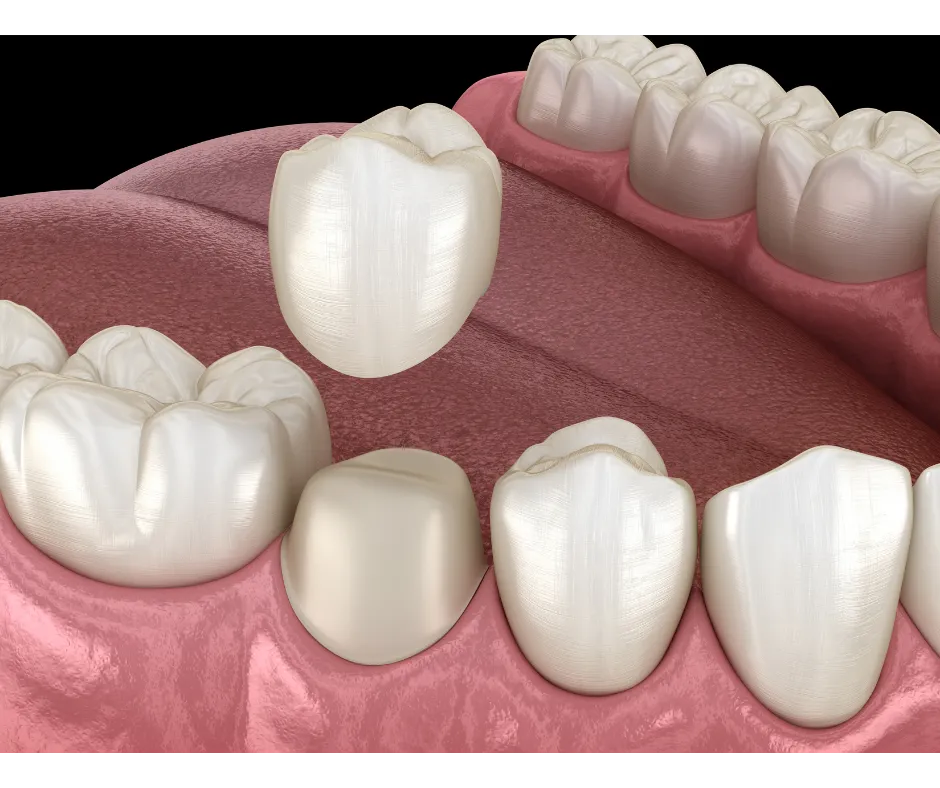
Crowns are custom caps that cover damaged or weakened teeth, the tooth has cracked, has too much decay for a filling to hold, has had a root canal, or is simply chipped enough to be worth restoring. A crown protects what's underneath and makes the tooth look and feel right again.
How the two-visit crown works
First visit: we shape the tooth, take a digital scan (no goopy impressions), match the shade, and place a temporary crown. Our lab makes the permanent crown over the next 1-2 weeks. Second visit: we remove the temporary, check the fit and color, and bond the permanent crown in place. Both appointments are typically 60-90 minutes.
Bridges for missing teeth
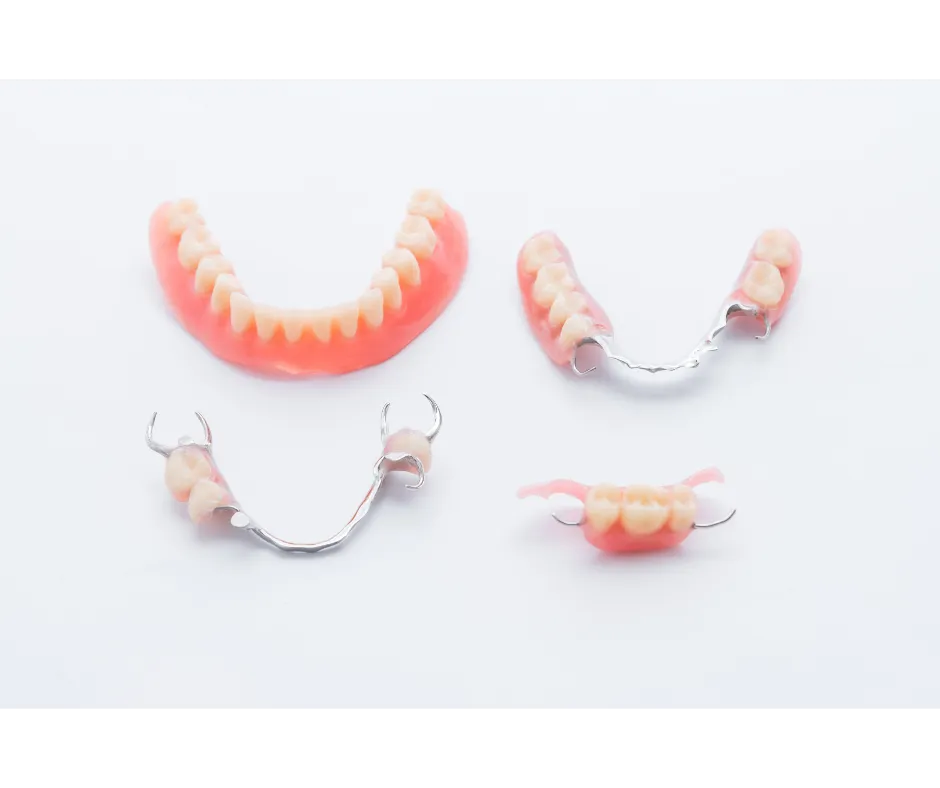
A bridge replaces one or more missing teeth using crowns on the neighboring teeth to support a replacement tooth in between. Dr. Sidhu will help you weigh a bridge against an implant, bridges are faster and less invasive but require modifying the neighboring teeth, while implants don't.
Materials, picked for the job
We work in all-ceramic, zirconia, layered porcelain-fused-to-zirconia, and gold. Front teeth usually get all-ceramic for invisible esthetics; molars often get monolithic zirconia for strength. Dr. Sidhu walks through trade-offs so you know exactly what you're getting and why.
Crown vs. extract-and-implant, when each makes sense
When a tooth is borderline-salvageable, the conversation isn't 'crown or no crown', it's 'crown vs. extract and replace with an implant.' The right answer depends on three factors: how much healthy tooth structure remains (a tooth that's lost more than 50% of its crown is harder to predictably crown), whether the roots are sound (vertical root fractures usually mean extraction), and the patient's bone quality for an implant alternative.
A crown on a tooth that's 'just barely savable' often needs additional procedures first, a root canal, a buildup, and sometimes crown lengthening. By the time you add those up, the total cost approaches an extraction-plus-implant treatment, and the long-term outcome may be less predictable. Dr. Sidhu walks through both scenarios with honest numbers at the consultation, sometimes saving a tooth is genuinely the better path, sometimes it isn't.
How long crowns last
A well-placed, well-cared-for crown lasts 10-15 years on average, with many lasting 20+ years. The biggest factors that shorten crown life: untreated bruxism (grinding), aggressive cleaning around the crown margins (use a soft-bristle brush), and gum recession that exposes the crown's edge.
At every cleaning we inspect the margin where the crown meets your natural tooth, that's where 90% of crown-related problems start. Catching a small margin issue early means a quick re-cement; catching it late can mean a new crown.
What to expect, step by step
Here's exactly what happens at a crowns & bridges appointment at Cusp Dental, from the moment you walk in to the followup.
-
Diagnosis and treatment plan
Dr. Sidhu confirms the tooth needs a crown using X-rays and clinical exam. We explain the why, walk through cost, and verify insurance benefits before any work begins.
-
Tooth preparation
The tooth is numbed thoroughly. We then shape the tooth to receive the crown, removing decay and any failing filling material along the way.
-
Digital impression or scan
A 3D scan (or sometimes a traditional impression) captures the exact shape of your tooth and surrounding bite. Our lab uses this to fabricate the permanent crown.
-
Temporary crown
A temporary crown protects the tooth while the permanent one is being made (typically 2-3 weeks). You can eat and brush normally; just avoid sticky foods on that side.
-
Permanent crown delivery
At the second visit, we remove the temporary, check the fit and shade of the permanent, adjust the bite, and bond it into place. The visit takes about 30-45 minutes.
Pricing & insurance
We don't post per-service pricing here because every case is different. Call us at (916) 451-4856 for a personalized estimate. We verify your insurance benefits at no charge and give you a written all-in estimate before any treatment begins.
- Insurance
- PPO plans typically cover crowns at 50% after deductible, sometimes higher with major-restorative riders. We submit pre-authorization so you know your share upfront.
- Financing
- CareCredit financing available with several 0% APR options for treatment plans over $1,000. Cherry is the second option, fixed monthly payments with no hard credit check to apply.
Cost varies by material (porcelain vs. zirconia vs. gold), tooth location, and whether a buildup or root canal is needed first. Front-tooth crowns prioritize aesthetic match; back-tooth crowns prioritize strength.
Common questions about crowns & bridges
Does insurance cover crowns?
Most PPO dental plans cover crowns at 50% when they're medically necessary (cracked tooth, large failed filling, after a root canal). We verify your benefits before treatment and provide a written estimate of your portion.
How long do crowns last?
A well-placed crown on a well-cared-for tooth typically lasts 10-15+ years, often longer. The most common reason a crown eventually needs replacement is decay forming where the crown meets the tooth, which is why we still want to see you for cleanings.
Will the temporary crown look bad?
We do our best to make temporaries comfortable and presentable, but they're a placeholder, not the final result. The permanent crown is designed and shaded specifically for your smile.
Can I get a same-day crown?
Same-day (in-office milled) crowns can be a great option for some teeth, but lab-made crowns generally have better long-term esthetics on front teeth. We'll discuss the right approach for your situation.
Ready to book your crowns & bridges appointment?
We're in-network with most major PPO plans, verify your benefits at no cost, and never push treatment you don't need. Call us or book online, same-day visits are usually available.