
Cosmetic 8 min read
Teeth Whitening Before Summer Weddings and Events: A Realistic Timeline
How far in advance should you whiten before a wedding, reunion, or graduation photo? What's actually caused the staining you're seeing? And when is whitening the wrong tool for the job? A real timeline and honest answers.
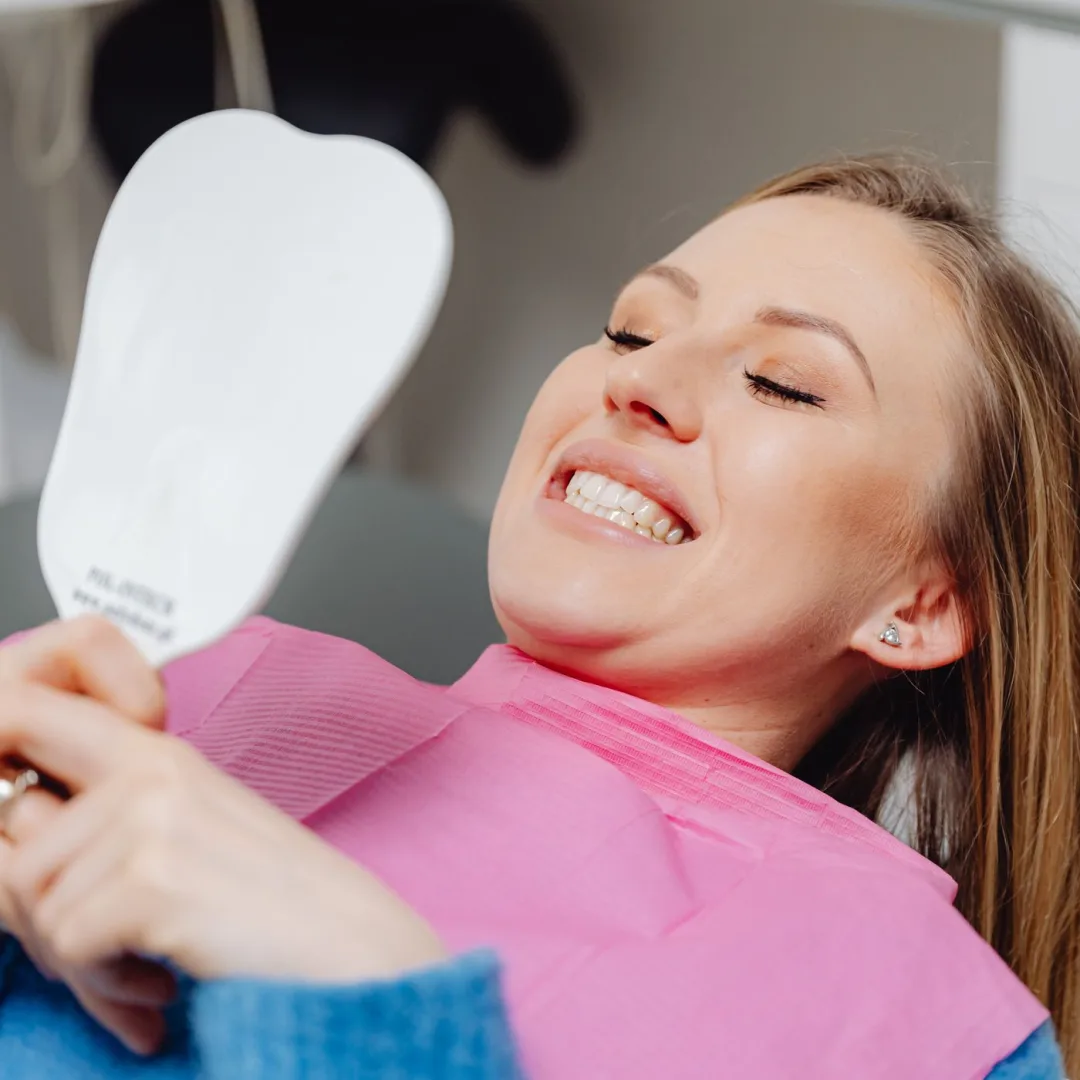
Why summer events change your whitening timeline
Weddings, family reunions, graduation parties, engagement shoots, work conferences, Sacramento's summer calendar packs a lot into a few months. And most of those events end up on a camera roll that you'll scroll through for years. That's the reason most people who ask about teeth whitening in April or May are doing it: they want the smile in those photos to look like the one in the mirror on a good day.
The good news is that professional whitening is one of the most predictable and least invasive cosmetic treatments in dentistry. The less-good news is that timing matters. Whitening too close to a big event can leave you with sensitivity on the wrong day, and whitening too far out with no maintenance plan can mean the result has already faded by the time you're at the altar.
This is a realistic breakdown of what causes discoloration in the first place, which treatment options exist, and how far in advance to start for a wedding-photo-ready result.
What has actually caused the discoloration you're seeing
Not all tooth discoloration is the same, and not all of it responds to whitening the same way. Understanding the source of your staining is the difference between a great result and disappointment.
Extrinsic (surface) staining
Extrinsic stains sit on the outer layer of enamel. Coffee, tea, red wine, cola, dark berries, soy sauce, curry, and tobacco are the usual suspects. Extrinsic staining responds best to whitening, the peroxide reaches the pigment molecules easily and breaks them apart. A great professional cleaning removes a surprising amount of extrinsic staining on its own, before any whitening happens.
Intrinsic (structural) staining
Intrinsic stains live deeper in the tooth structure. They're caused by medications taken during tooth development (some antibiotics like tetracycline are known for it), excess fluoride during childhood, trauma to a tooth, or simply aging enamel that lets more of the yellow underlying dentin show through. Intrinsic staining responds to whitening more slowly and less completely. In some cases, veneers or bonding are the better tool.
Age-related color change
Enamel thins slowly across a lifetime, normal daily wear. As it thins, the yellower dentin underneath is more visible. This is why most people's teeth look a shade or two darker at 40 than they did at 20, even with impeccable oral care. Whitening reliably helps here, though the result may need periodic touch-ups.
Your whitening options, honestly compared
Not sure which is right?
Most patients get the best result from a combined approach: one in-office session to lift the base shade quickly, followed by 5-7 nights of take-home tray wear to fine-tune. We recommend the right protocol at your consultation based on your starting shade and how quickly you need results.
Drugstore strips
Cost: modest. Result: modest. Whitening strips use a lower-strength peroxide gel and can't hold an even contour against curved tooth surfaces, so results tend to be patchy and lift shades in the 1-3 range for most people. If your teeth are only slightly discolored and you're OK with a small change, they can work. For an event-worthy result, most patients are underwhelmed.
Custom take-home trays
Cost: mid-range. Result: strong, gradual. Custom trays are made from a digital scan of your teeth so they fit precisely, no gel leaking onto gums, no missed spots. Paired with professional-strength gel worn 30-60 minutes a night for 2-3 weeks, most patients achieve results comparable to in-office whitening at a lower cost. Great for patients with sensitivity concerns because you control the intensity.
In-office whitening
Cost: higher. Result: strong, immediate. In-office whitening uses a higher-strength gel applied while your gums are protected, sometimes activated with an LED light. A single 60-90 minute appointment often lifts several shades. This is the fastest option and the right call when you're inside a two-week window before an event.
Combined protocol
Cost: bundled. Result: most reliable. One in-office session to reach the base shade quickly, followed by 5-7 nights of take-home tray wear to fine-tune and set the color deeper into the enamel. This is the protocol we most commonly recommend for weddings.
A realistic pre-wedding whitening timeline
6 months out: consultation and cleaning
Book a professional cleaning if it's been more than 6 months since your last visit. A clean tooth surface responds better to whitening and lets us see your true starting color rather than surface staining. At this visit we can also discuss whether veneers make more sense for what you're trying to change.
3 months out: start take-home whitening (if going that route)
If you're doing custom trays, three months out is the ideal start. You have time to complete a 2-3 week active phase, evaluate the shade, add another 5-7 nights if you want to go brighter, and then stop with time for any sensitivity to fully resolve before the day.
3-4 weeks out: in-office treatment
If you're doing an in-office session, book it 3-4 weeks before the event. This gives enough time for the color to settle (teeth briefly dehydrate during whitening, so the immediate result is slightly lighter than the final one), and a buffer to manage any temporary sensitivity.
1 week out: touch-up night
One night in the take-home trays a week before the event refreshes the shade for photos. Skip this if you're prone to sensitivity, the result from your earlier treatment will hold fine.
Day of: rest
No whitening on the day of the event. Enjoy the coffee.
Managing sensitivity, what actually works
Temporary sensitivity to cold is the most common side effect of whitening. It typically shows up within 24 hours of a treatment and resolves within 3-5 days. Here's what genuinely helps.
- Use a desensitizing toothpaste for 2 weeks before you start. Ingredients to look for: potassium nitrate or stannous fluoride. Starting early lets the ingredient build up on your teeth.
- Reduce contact time. With take-home trays, cut nightly wear from 60 minutes to 30 or 45. You'll reach the same result over slightly more nights, with less sensitivity per night.
- Add a fluoride varnish appointment. A 3-minute in-office fluoride treatment right after your in-office whitening substantially reduces sensitivity for most patients.
- Space out treatments. Don't do in-office and take-home on the same day. Give the teeth a day off between.
When whitening isn't the right answer
Whitening is a poor fit for a few specific situations, and being honest about that upfront saves everyone time and money.
- Existing crowns or veneers in the smile zone. Porcelain doesn't whiten. If a crown or veneer is showing when you smile, we have to plan the sequence carefully.
- Severe tetracycline staining. Deep grey bands in the enamel from childhood antibiotic use rarely respond fully to whitening. Porcelain veneers or bonding produce more predictable results.
- Fractures, chips, or gaps you also want to address. If your goal is a fuller cosmetic change, smoothing edges, closing a diastema, evening tooth length, that's a smile design conversation, not a whitening conversation. We frequently combine whitening (natural teeth) with veneers (the front 6-10 teeth) for full smile makeovers.
- Untreated decay or gum disease. We treat active issues first. Whitening on a decayed tooth can trigger significant sensitivity and delay diagnosis of a real problem.
If you're not sure whether whitening or veneers is the right tool for what you're seeing in the mirror, a cosmetic consultation at Cusp Dental is a low-pressure way to sort it out. We use digital previews to show you what a whitening result might look like versus a veneers result before you commit to either.
Making the result last through the summer
Whitening isn't permanent. Depending on your habits and starting color, results typically hold for 6 months to 2 years before shades begin to drift back. Here's how to stretch it.
- Rinse after coffee, tea, or wine. A quick swish of water dilutes staining pigments before they set.
- Use a straw for iced coffee and iced tea. Bypassing the front teeth reduces surface contact with pigmented drinks.
- Cleanings every 6 months. Extrinsic staining picks back up regardless of habits. Professional cleaning removes it before it becomes part of your baseline color.
- Save your trays. If you invested in custom trays, keep them. A single overnight refresh 2-3 times a year holds the shade almost indefinitely, at essentially the cost of a syringe of gel.
How to book a whitening consultation
Whitening at Cusp Dental starts with a 30-minute consultation: shade evaluation, discussion of goals, and a review of your dental history. There's no obligation to move forward, and we don't up-sell to veneers if whitening is the right call. Book online through our appointment page, or call our front office at (916) 451-4856.
If you're planning around a specific date, a wedding, an anniversary, a photoshoot, tell us at booking. We'll build the schedule backward from the event so nothing feels rushed.
Key takeaways
- Start whitening 3 weeks to 3 months before a big event, depending on the treatment path.
- Extrinsic (surface) stains respond best. Intrinsic and age-related change may need combined approaches.
- Combined in-office + take-home is the most reliable protocol for a photo-ready result.
- Sensitivity is manageable, start desensitizing paste early, shorten contact time, use fluoride varnish.
- If you have existing crowns or veneers in your smile zone, plan the sequence carefully.
- Results last 6 months to 2 years with basic maintenance and an occasional touch-up night.
Related services at Cusp Dental
Ready to move from reading to booking?
Keep reading
More from the Cusp Dental blog

FAQ
Frequently asked questions
How many shades whiter can I actually get?
Most patients see a 4-8 shade improvement on the Vita shade guide with a professional treatment, whether in-office or a customized take-home tray system. The final shade depends on your starting color, the type of staining (surface vs. structural), and how consistently you complete the treatment. We take shade photos before and after so the result is documented, not guessed.
How long does professional whitening actually take?
In-office whitening is a single 60-90 minute appointment with results visible immediately. Take-home custom trays deliver comparable results over 2-3 weeks of nightly wear. Many patients combine both, one in-office treatment followed by 5-7 nights of tray wear to reach a target shade, which is the most reliable path to a photo-ready result.
Will whitening damage my enamel?
No. The active ingredient in professional whitening is hydrogen or carbamide peroxide, which breaks apart the pigmented molecules trapped in enamel without dissolving the tooth structure itself. Decades of clinical use and independent research support its safety when used as directed. Sensitivity, when it happens, is temporary and manageable.
Can I whiten if I have crowns or veneers in my smile?
You can whiten the natural teeth, but crowns and veneers are made of porcelain or ceramic, those materials don't respond to whitening. If you have restorations in your smile zone, we plan the sequence carefully: whiten first, then match any new restoration to the new shade. If the crown was placed within the last year and you want to match it exactly, whitening may not be the right call.
Is over-the-counter whitening enough for a wedding?
For very mild discoloration and low expectations, drugstore strips can produce a modest 1-2 shade improvement. For a wedding-photo result, professional treatment is a meaningfully different category. Strips can't hold an even contour against the tooth surface, so results are often patchy. Custom-fit trays with professional-strength gel address both issues.
How much does professional whitening cost at Cusp Dental?
Investment ranges depending on the treatment path. In-office whitening is a single fee; custom take-home trays with professional gel are a separate fee; a combined in-office plus at-home protocol is offered at a slight package discount. Whitening is considered cosmetic by insurance and is typically not covered. We provide a clear written quote at your consultation and offer financing through CareCredit or Cherry if you want to spread the cost.