Preventive 9 min read
How to Protect Your Teeth During Summer Sports and Activities
Summer means more contact sports, more time in the water, and more dental emergencies. Here's how to prevent knocked-out teeth, dry-mouth cavities, and enamel damage, and what to do the moment something goes wrong.
Why dental injuries spike in summer
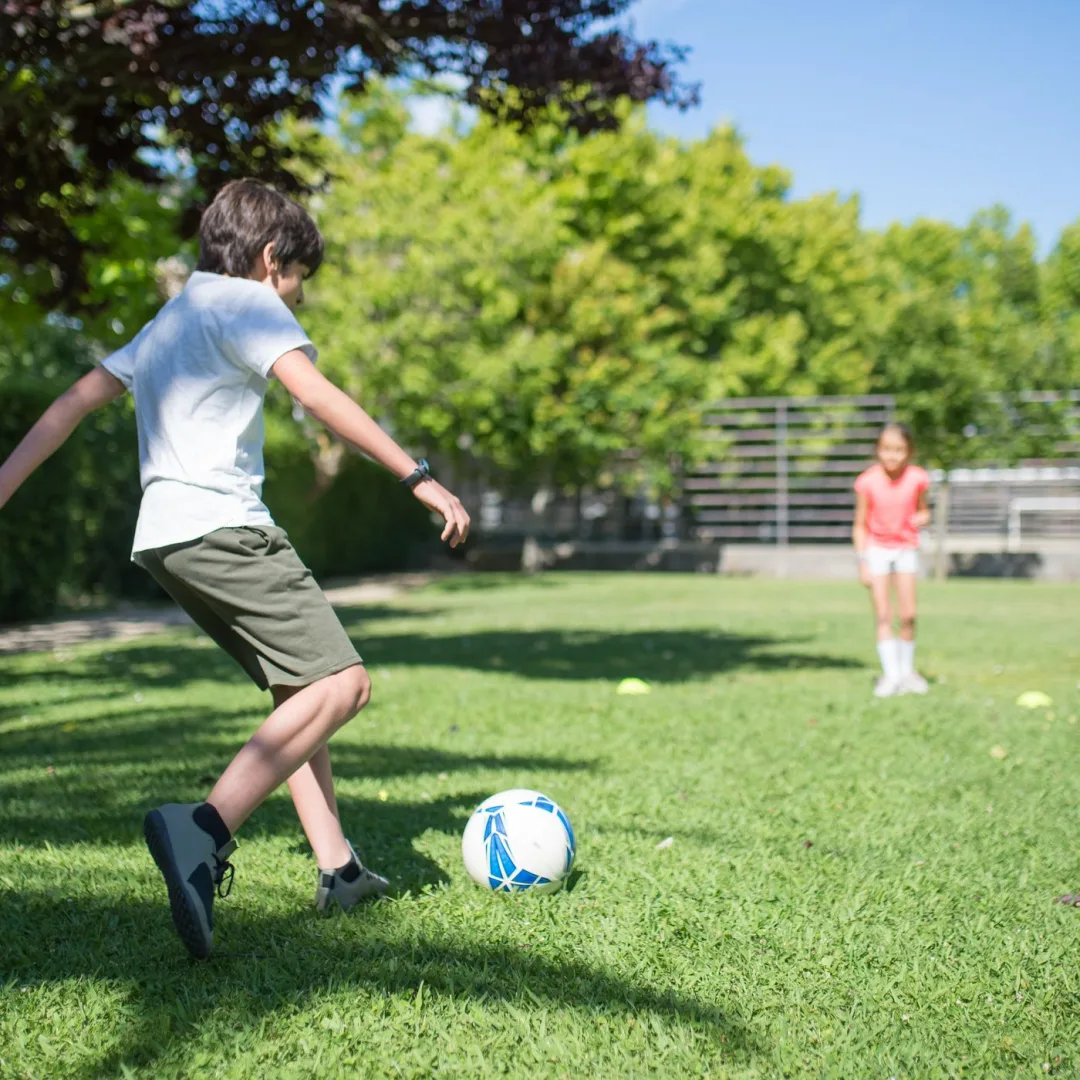
If you ask any dental office in the Sacramento region which months they see the most emergency calls, you'll get consistent answers: July, August, and December. Two of those are summer. The reasons aren't mysterious.
- Kids play unstructured, unsupervised games at parks, pools, and backyards.
- Adults return to weekend league sports, pickleball, and outdoor CrossFit.
- Travel takes people away from their regular dentist, so minor issues become emergencies.
- Vacations mean more sugary drinks, sticky snacks, and sun-driven dehydration.
None of that is a reason to skip summer sports. But a small amount of preparation, a custom mouthguard, a plan for common injuries, and an understanding of when to call, dramatically improves the outcome when something does happen.
Custom mouthguards, and why fit is the whole ballgame
A well-fitted mouthguard reduces the risk of dental injury by roughly 60 times, according to the American Academy of Pediatric Dentistry. That's not a marketing number, it's a repeatedly published clinical estimate. The catch is "well-fitted."
The three categories, honestly evaluated
Stock guards are the least expensive and the least effective. They come pre-shaped, don't conform to your bite, and often require clenching to keep in place, which means athletes stop wearing them within a game or two.
Boil-and-bite guards soften in hot water and mold roughly to your teeth. They're a step up but distort after a few weeks of chewing and heat exposure. Kids' guards are the worst offenders here because kids' bites are still changing.
Custom-milled guards, like the ones we make at Cusp Dental, are lab-fabricated from a digital scan of your teeth. They fit precisely, allow talking and breathing, stay in place without clenching, and use a laminate material that absorbs impact across a wider area of the tooth rather than concentrating it on a single contact point. For any athlete who competes regularly, this is the category worth paying for.
Booking a mouthguard fitting is a single 20-minute visit, no gooey impressions, no numbing, no drilling. The guard delivers 2-3 weeks later. See our custom mouthguard page for what to expect at the fitting appointment.
Knocked-out tooth: the first 30 minutes are everything
A permanent tooth that's been knocked out (dentists call this an "avulsed" tooth) has a real chance of surviving if it's reimplanted quickly. Every minute matters. Here is exactly what to do:
Avulsed tooth checklist
- Find the tooth. Pick it up by the crown only, never touch the root.
- If dirty, rinse gently with milk or saline (a saline nasal spray works). Do not scrub, soap, or use tap water for more than a few seconds.
- If you can, place the tooth back in the socket, press it in with light finger pressure so the top is even with the neighboring teeth.
- Have the person bite down gently on gauze or a clean washcloth to hold it in place.
- Call us at (916) 451-4856 and head to the office.
If you can't get the tooth back in the socket, the child is frightened, the tooth won't seat, or there's other injury, transport it moist. In order of preference: milk (best everyday option), the patient's own saliva (spit into a container), a Save-A-Tooth kit (sold at pharmacies), or saline. Do not use plain water, the low osmolarity damages the delicate periodontal cells still clinging to the root.
Baby teeth are a different situation: we generally do not reimplant knocked-out primary teeth because doing so can damage the developing permanent tooth underneath. If a young child loses a baby tooth from trauma, save the tooth, call us, and we'll advise from there.
Chipped and cracked teeth
Small chips (a corner off a front tooth) usually don't need immediate care but should be seen within a few days, smoothing the sharp edge or a small bonding repair prevents further chipping. Larger fractures that expose the yellow dentin or the pink pulp are more urgent because the nerve is exposed to air, cold, and bacteria.
If you can, save any tooth fragments in milk and bring them with you. For medium-to-larger fractures, we often use a crown or onlay to restore the tooth's shape and strength.
A cracked tooth without an obvious break can be trickier to diagnose. Symptoms include pain when releasing bite pressure (rather than during the bite itself), sensitivity to cold that lingers, or a sharp pain in a specific spot that comes and goes. If you're seeing those symptoms after a hit to the mouth, book an evaluation, cracks that go untreated often extend deeper and end in extraction and replacement.
Dehydration, dry mouth, and summer cavity risk
Saliva is one of your body's best cavity defenses, it neutralizes acid, remineralizes enamel, and washes away food debris. Dehydration reduces saliva flow. Combine that with an increase in summer sports drinks, iced coffee, kombucha, and citrus water, and you have a setup for accelerated cavity formation over just a few months.
Practical mitigations for summer:
- Water first, sports drink second. Kids under 12 rarely need Gatorade unless the activity is truly high-intensity for 90+ minutes.
- Rinse with plain water after any sugary or acidic drink.
- Avoid brushing immediately after acidic drinks, the enamel is briefly softened. Wait 30 minutes.
- Chew sugar-free gum with xylitol between activities. It stimulates saliva without adding acid.
- Set a daily water reminder. Adult teeth need the fluid too, not just kids'.
Pool water, chlorine, and enamel
Recreational swimming a few days a week is fine for your teeth. Where the science gets more interesting is with competitive swimmers who log 20+ hours a week in the pool. Two phenomena have been documented:
Swimmer's calculus is a brown, hard buildup that forms when salivary proteins react with pool water antimicrobials. It's not harmful but can only be removed with a professional cleaning. It's cosmetic in nature, most patients with it aren't happy about the color.
Enamel erosion is a bigger concern if a pool is improperly maintained with a pH below 7.0. Acidic water gradually dissolves enamel over long exposure. This is why the CDC publishes guidance recommending pool pH between 7.2 and 7.8. For casual summer swimming at a well-maintained pool, this isn't a risk. For a kid on a competitive swim team, ask the coach or facility about their water testing.
Summer stress and clenching
Not all summer dental issues are trauma. Adults especially seem to grind and clench more during travel, jet lag, unfamiliar beds, late nights, work catching up during "vacation." Symptoms:
- Waking with sore jaw muscles.
- Headaches at the temples on waking.
- Increased tooth sensitivity for no obvious reason.
- A partner noticing the sound of grinding.
If any of that is new since a trip, a check-in visit is worth booking. A well-fitted nightguard, which is essentially a version of the same custom appliance we make for sports, costs a small fraction of restoring the fractured molar you'd otherwise crack in six months of unchecked grinding.
When to call the dentist vs. head to the ER
Most dental injuries are dental office visits, not ER visits. But there are exceptions.
Go to the ER first if
- There's difficulty breathing or swallowing.
- Bleeding won't stop after 10 minutes of firm pressure.
- You suspect a jaw fracture (visible deformity, inability to close the mouth normally).
- There's severe head trauma, dizziness, vomiting, or loss of consciousness, even briefly.
- You have facial swelling that's rapidly expanding.
Once you're stable, follow up with us for the dental side of the injury. Bring any imaging the ER did, it saves you a repeat X-ray.
For most summer dental emergencies, a chipped tooth, a lost crown, a broken filling, a sore jaw from a hit, Cusp Dental is the right first call. We reserve daily slots for emergency appointments and can usually see you the same day during office hours. Call (916) 451-4856 before you drive over so our team can prepare for the treatment room.
Key takeaways
- A well-fitted custom mouthguard reduces dental injury risk by roughly 60 times.
- Knocked-out permanent teeth have the best chance of being saved if reimplanted within 30 minutes; transport in milk if reimplantation isn't possible.
- Never reimplant a knocked-out baby tooth, call us instead.
- Dehydration is a summer cavity accelerator; water > sports drinks for most activity.
- Recreational pool swimming is safe for teeth; competitive swimmers should verify pool pH.
- Most dental injuries are dental office visits, call the practice first unless there are ER-level concerns.
Related services at Cusp Dental
Ready to move from reading to booking?
Keep reading
More from the Cusp Dental blog
FAQ
Frequently asked questions
Can a knocked-out permanent tooth really be saved?
Yes, if it's reimplanted quickly. The best outcomes happen within 30 minutes of the injury. Pick the tooth up by the crown (never the root), rinse gently with milk or saline if it's dirty (do not scrub), place it back in the socket if you can, and call us immediately. If reimplantation isn't possible, transport the tooth in cold milk, saliva, or a Save-A-Tooth kit, not water.
Are boil-and-bite mouthguards good enough for casual sports?
They're better than nothing, but they loosen quickly and lose their protective contour after a few weeks of use. For any athlete who plays a full season, even at a recreational level, a custom mouthguard fits better, breathes easier, and stays in place. Kids under 14 typically need a new guard every year as their bite continues to change.
How much does a custom sports mouthguard cost?
Cusp Dental takes a quick digital scan (about 5 minutes, no goopy impressions) and the guard delivers 2-3 weeks later. Investment is modest compared to the cost of restoring a fractured or knocked-out tooth, which can run into thousands including a crown or implant. Many PPO plans cover part of the cost when the guard is dispensed for medical reasons like bruxism; sports guards are usually out of pocket.
Can chlorine actually damage my teeth?
Prolonged, frequent exposure to properly balanced pool water is generally safe. Improperly maintained pools with pH below 7.0 (highly acidic) can cause enamel erosion, and competitive swimmers who spend 4+ hours a day in the pool have shown 'swimmer's calculus', a hard brown deposit from salivary proteins reacting with pool antimicrobials. For recreational swimmers, brushing after swimming and drinking water are enough.
My tooth is loose after a fall but still in place. What should I do?
Try gently pushing it back to its original position with light finger pressure, don't force it. Bite down on a clean piece of gauze or a soft washcloth to hold it in place, avoid chewing on that side, and call us for a same-day evaluation. Loose teeth often recover well when they're stabilized promptly, but they need professional evaluation to check for nerve or root damage.
What should be in a home dental first-aid kit?
Gauze pads (2×2 and 4×4), a small container of milk or saline (or a Save-A-Tooth kit for households with active kids), a cold pack, dental wax for temporary crown coverage, over-the-counter ibuprofen, and our office phone number saved in a place both parents (or you and your travel partner) can find it. It fits in a small pouch and lives with the regular first-aid kit.