Preventive 10 min read
Summer Snacks and Your Teeth: What to Eat and What to Skip
How often you eat matters more than how much. Why a two-hour iced coffee beats a candy bar for damage, which summer foods are worse than their reputation, and the five habits that do most of the work.
How food actually damages teeth
Almost everyone knows sugar is bad for teeth. Far fewer people know why, and the why turns out to matter, because it changes which snacks are worth worrying about and which ones aren't.
There are two separate mechanisms, and they behave differently.
The first is bacterial. The bacteria that live in dental plaque feed on fermentable carbohydrates, which includes table sugar but also the starch in crackers, chips, and bread. As they feed, they excrete acid. When the pH at the tooth surface drops below roughly 5.5, enamel begins to lose mineral. Saliva then goes to work neutralizing that acid and putting the mineral back, a process that takes somewhere between twenty and forty minutes after the food is gone.
The second is chemical. Acidic food and drink attack enamel directly, no bacteria required. Lemon water, soda, sports drinks, kombucha, wine, and vinegar-based dressings all sit well below that 5.5 threshold on their own. Most colas land near pH 2.5. This is erosion rather than decay, and it shows up as thinning, translucent edges on front teeth and a sandblasted look on molars rather than as dark spots.
Summer is hard on teeth because it turns up both dials at once: more grazing, and more cold acidic drinks consumed slowly in the heat.
Why frequency beats quantity
This is the part that changes behavior once people hear it. Your teeth care far more about how often you eat than about how much.
Eat a whole slice of cake in ten minutes and your mouth goes acidic once, then spends half an hour recovering. Total time under attack: roughly forty minutes. Take that same amount of sugar and spread it across six small snacks through the afternoon, and you get six separate acid attacks with recovery windows that never complete. Total time under attack: three or four hours.
Same sugar. Wildly different outcome. This is why the patient who eats dessert every night after dinner often has better teeth than the one who "barely eats sweets" but sips a sweetened iced coffee from ten in the morning until two in the afternoon.
The sipping problem, stated plainly
A 90-minute iced coffee with syrup is harder on your teeth than a candy bar eaten in five minutes. The candy bar is one exposure. The coffee is a continuous one. If you take nothing else from this article, take that: what you drink slowly matters more than what you eat quickly.
The summer offenders worth knowing about
Sports drinks
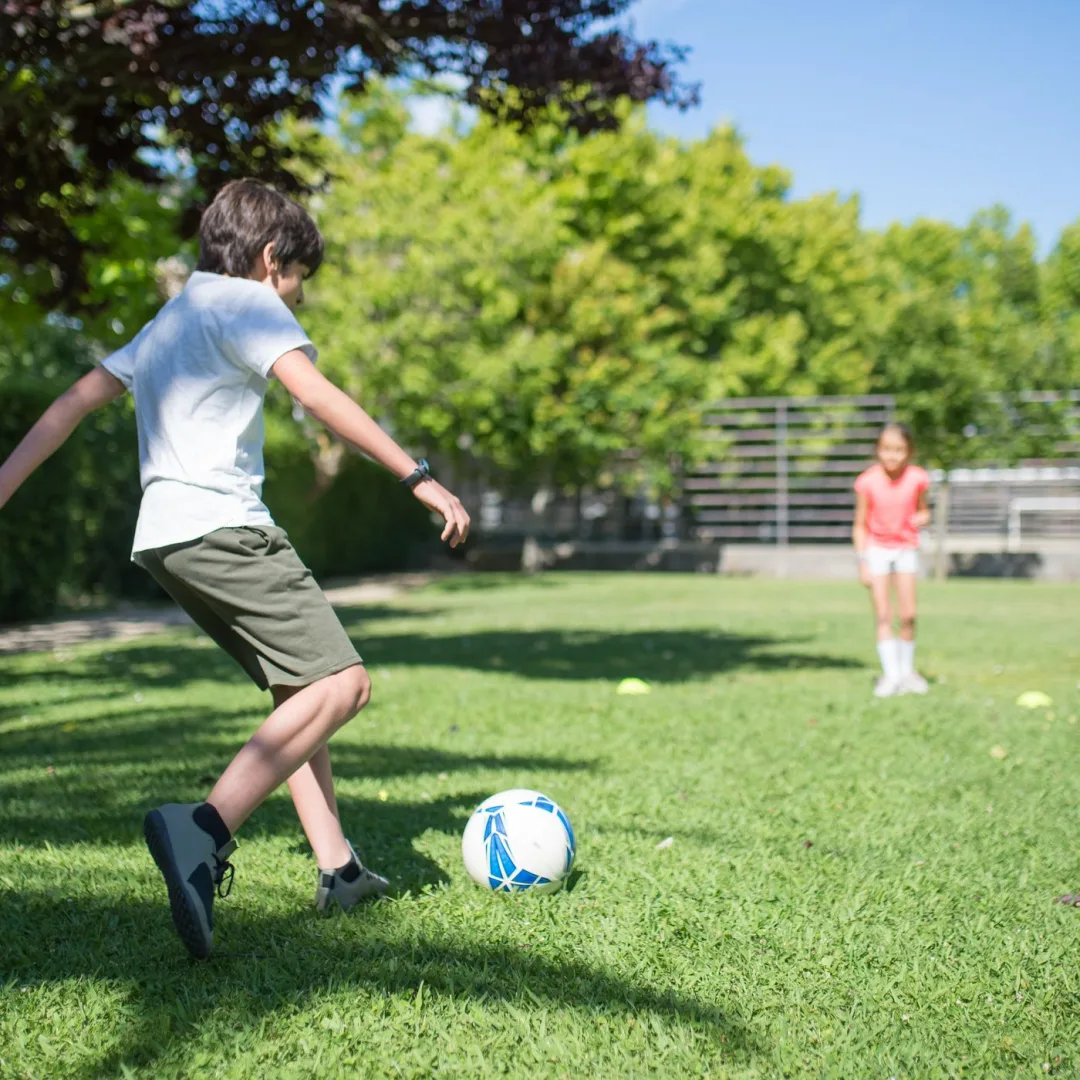
These are the ones we'd most like Sacramento parents to reconsider. Sports drinks pair meaningful sugar with an acidity near pH 3, and they're designed to be sipped over the length of an activity, which is the worst possible consumption pattern. They have a genuine place: sustained high-intensity effort beyond about 90 minutes, or heavy sweating in real heat. A 45-minute soccer practice is not that. Water is the right drink for the overwhelming majority of youth sports.
Dried fruit and fruit snacks
Raisins, dried mango, fruit leather, and gummy fruit snacks are sold as the healthy option and behave like caramel. They're sticky, they pack into the pits and grooves of molars, and they stay there long after you've stopped eating. Retention time is what does the damage, and these are champions at it.
Iced coffee, boba, and flavored seltzer
The drink itself is often not the problem. The two-hour cup is. Boba adds chewy tapioca that clings, and flavored sparkling waters are more acidic than most people assume, particularly the citrus ones.
Hard candy, corn on the cob, and ice
Different mechanism, same waiting room. These are fracture risks rather than cavity risks. Corn on the cob is a repeat offender for popping off veneers and older crowns, and ice is the single most common cause of the cracked cusps we see between June and September. If you have existing crowns, veneers, or large fillings, treat all three with respect.
Lemon water
Widely believed to be a health habit, and for the rest of the body it may well be. For enamel, a pitcher of lemon water sipped through a hot afternoon is a sustained acid bath. If you like it, drink it with a meal rather than continuously, and rinse with plain water afterward.
What to reach for instead
None of this is an argument for a joyless summer. There's a long list of snacks that are genuinely fine, and a few that actively help.
- Cheese. The best-supported protective snack there is. It raises pH, and it delivers calcium and phosphate right where remineralization needs them. Cheese after something sweet is a real strategy, not folk wisdom.
- Plain yogurt, nuts, and hummus. Protein and fat, minimal fermentable carbohydrate, no stickiness.
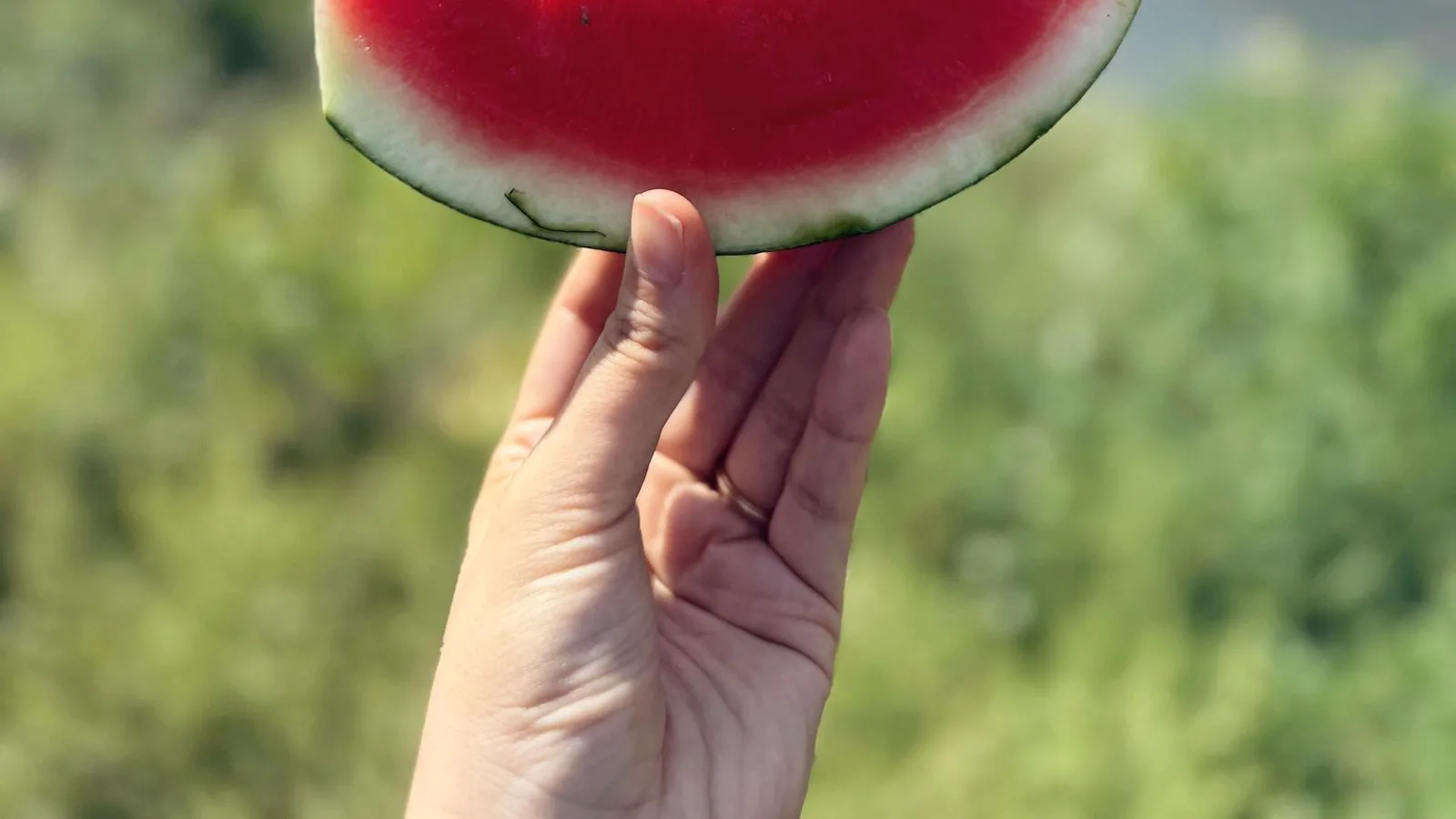
- Watermelon, cucumber, celery, and berries. High water content dilutes and clears sugars as you eat them. Watermelon is close to an ideal summer snack for teeth.
- Crunchy raw vegetables. Carrots, snap peas, and peppers require chewing, and chewing means saliva.
- Plain water. Sacramento's tap water is fluoridated, which means drinking it does slightly more for your teeth than bottled water does.
- Sugar-free gum with xylitol. Twenty minutes of chewing after a meal measurably increases saliva flow, and the bacteria most responsible for cavities can't metabolize xylitol. This is the closest thing to a free win on this list.
Foods that surprise people, in both directions
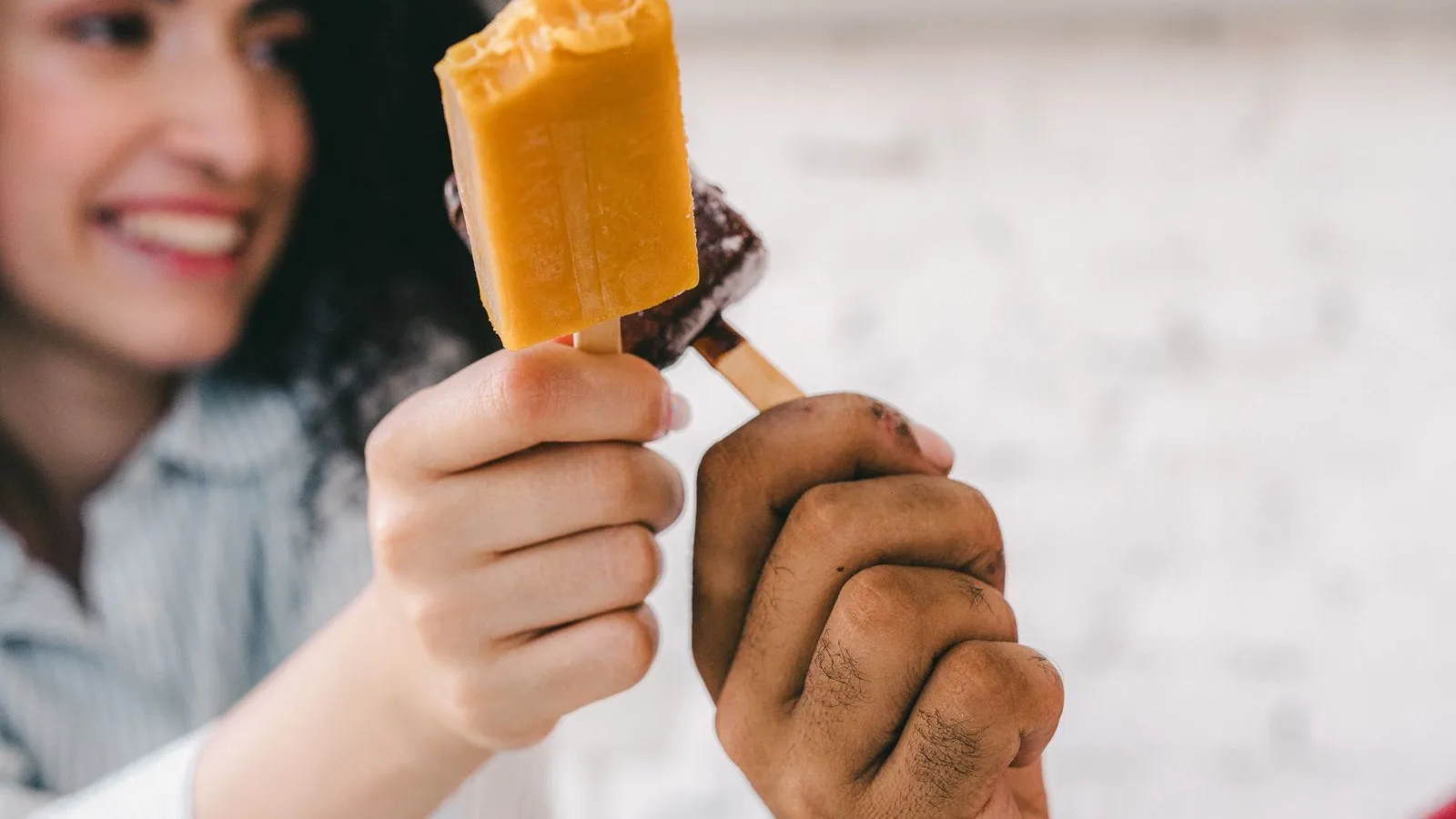
Ice cream is better than its reputation. It's sweet, but it's eaten quickly, it isn't sticky, it clears fast, and the dairy works in your favor. A bowl of ice cream after dinner is a smaller problem than an afternoon of fruit snacks.
Crackers and chips are worse than theirs. Refined starch converts to fermentable sugar in the mouth, and crushed cracker paste packs into molar grooves as effectively as caramel. "Not sweet" is not the same as "not a cavity risk."
Popcorn is a mixed bag. Low in sugar, but the hulls wedge under the gums and unpopped kernels crack teeth. Worth a floss afterward.
Sourdough and whole grain aren't meaningfully better than white bread for cavity risk. The bacteria don't care about the glycemic index.
Kids, camp, and the snack-drawer problem
Summer removes the structure that school imposes. During the year, kids eat at set times. In July they eat whenever they walk past the kitchen, which can turn three eating occasions into nine or ten.
We see the result in September and October, when the back-to-school exams come through and a child who was cavity-free in May has two new ones. It isn't that families started buying worse food in June. It's that they started eating it continuously.
The most effective change is also the least restrictive: keep the food you already buy, but put a shape around when it's eaten. Two or three defined snack times, water in between, and the kitchen closed otherwise. You have not banned anything, and you've cut acid exposure by more than half.
For kids who are already cavity-prone, this is also the season to get protection in place. Sealants on the permanent molars and a fluoride varnish at the checkup cover exactly the surfaces where snack damage lands. Both are quick and neither involves drilling or numbing, and our pediatric dentistry page walks through what a visit involves.
Five habits that do most of the work
If you change nothing else
- Finish drinks, don't nurse them. Twenty minutes, not two hours.
- Rinse with plain water after anything sweet or acidic. It takes five seconds and it works.
- Wait 30 minutes before brushing after acidic food or drink.
- Group sweets with meals instead of spacing them between.
- Use a straw for anything acidic or sugary that isn't water, and keep it past the front teeth.
When a snack habit has already done damage
Prevention is the easy part. Some signs mean the damage is already underway and worth looking at:
- Front teeth that look increasingly translucent or thin at the biting edge.
- New sensitivity to cold that didn't used to be there.
- Rough or cupped-out spots on the chewing surfaces of molars.
- A tooth that catches your floss or your tongue where it didn't before.
- Staining that appears in the grooves rather than across the surface.
Early erosion and early decay are both far cheaper and far less invasive to address than what they turn into. A cavity caught at the enamel stage is often a small filling. The same cavity a year later, having reached the nerve, becomes a crown and possibly root canal treatment. The price difference runs into thousands.
A routine cleaning and exam catches nearly all of this while it's still small, which is a large part of why the six-month interval exists. If it's been longer than that, or if anything on the list above sounds familiar, call us at (916) 451-4856. We verify your insurance benefits at no charge before treatment, and we give you a written estimate before anything is scheduled.
Key takeaways
- Teeth are damaged two ways: bacterial acid from sugar and starch, and direct acid from acidic food and drink.
- How often you eat matters more than how much. Six small snacks do more damage than one dessert.
- Slowly sipped drinks are the most underrated risk of the summer.
- Sports drinks are for sustained high-intensity effort, not a 45-minute practice. Water otherwise.
- Cheese, nuts, crunchy vegetables, watermelon, and xylitol gum are genuinely good choices.
- Wait 30 minutes to brush after anything acidic; rinse with water right away instead.
- For kids, defined snack times beat restricting foods, and sealants protect the surfaces most at risk.
Related services at Cusp Dental
Ready to move from reading to booking?
Keep reading
More from the Cusp Dental blog
FAQ
Frequently asked questions
Is fruit bad for my teeth?
Whole fruit is fine and worth eating. The concern is the concentrated versions. Dried fruit, fruit leather, and fruit snacks pack the same sugar into a sticky form that lodges in the grooves of molars and stays there for hours. Fruit juice removes the fiber and the chewing, leaving sugar and acid in a form you sip. Whole watermelon, berries, peaches, and apples come with water and fiber that help clear them, and chewing stimulates saliva. Eat the fruit, skip the fruit roll.
Is it better to eat sweets with a meal or as a snack?
With a meal, and it isn't close. Your mouth produces far more saliva during a full meal, which neutralizes acid and clears food faster. A cookie eaten at the end of lunch is a single acid exposure your mouth handles well. The same cookie eaten alone at 3pm, between two other snacks, is a separate attack with no help. If you're going to have dessert, having it right after eating is genuinely the better move.
Should I brush right after eating something acidic?
No, wait about 30 minutes. Acidic foods and drinks temporarily soften the surface of enamel, and brushing while it's softened scrubs away mineral you'd otherwise get back. Rinse with plain water immediately instead, or use a fluoride mouthrinse, then brush later. This matters most with lemon water, soda, sports drinks, kombucha, wine, and citrus.
Are sugar-free sodas and sparkling waters safe for teeth?
Safer, but not neutral. Removing the sugar removes the bacterial pathway to acid, which is the bigger of the two problems. What remains is the drink's own acidity. Most colas sit near pH 2.5 whether or not they're diet, and flavored sparkling waters, especially citrus ones, are more acidic than plain. Plain sparkling water is close to harmless. If you drink flavored seltzer all day, use a straw and rinse with water afterward.
Does chewing ice really damage teeth?
Yes, and we see the results every summer. Enamel is hard but brittle, and ice combines hardness with cold, which makes teeth contract slightly. That combination produces the small cracks that later become fractured cusps and split fillings. If you find yourself craving ice specifically, mention it to your physician, a persistent urge to chew ice is a recognized sign of iron deficiency and is worth a blood test.
My child snacks constantly in summer. What is the single most useful change?
Move from grazing to defined snack times. Two or three set snacks a day beats an open kitchen, because it collapses ten acid exposures into three. Water between snacks instead of juice or a sports drink does most of the rest. If your child is already prone to cavities, ask us about sealants and fluoride varnish at their next visit, both are quick, painless, and they cover the surfaces most snack damage lands on.