Day 1: rest and ice
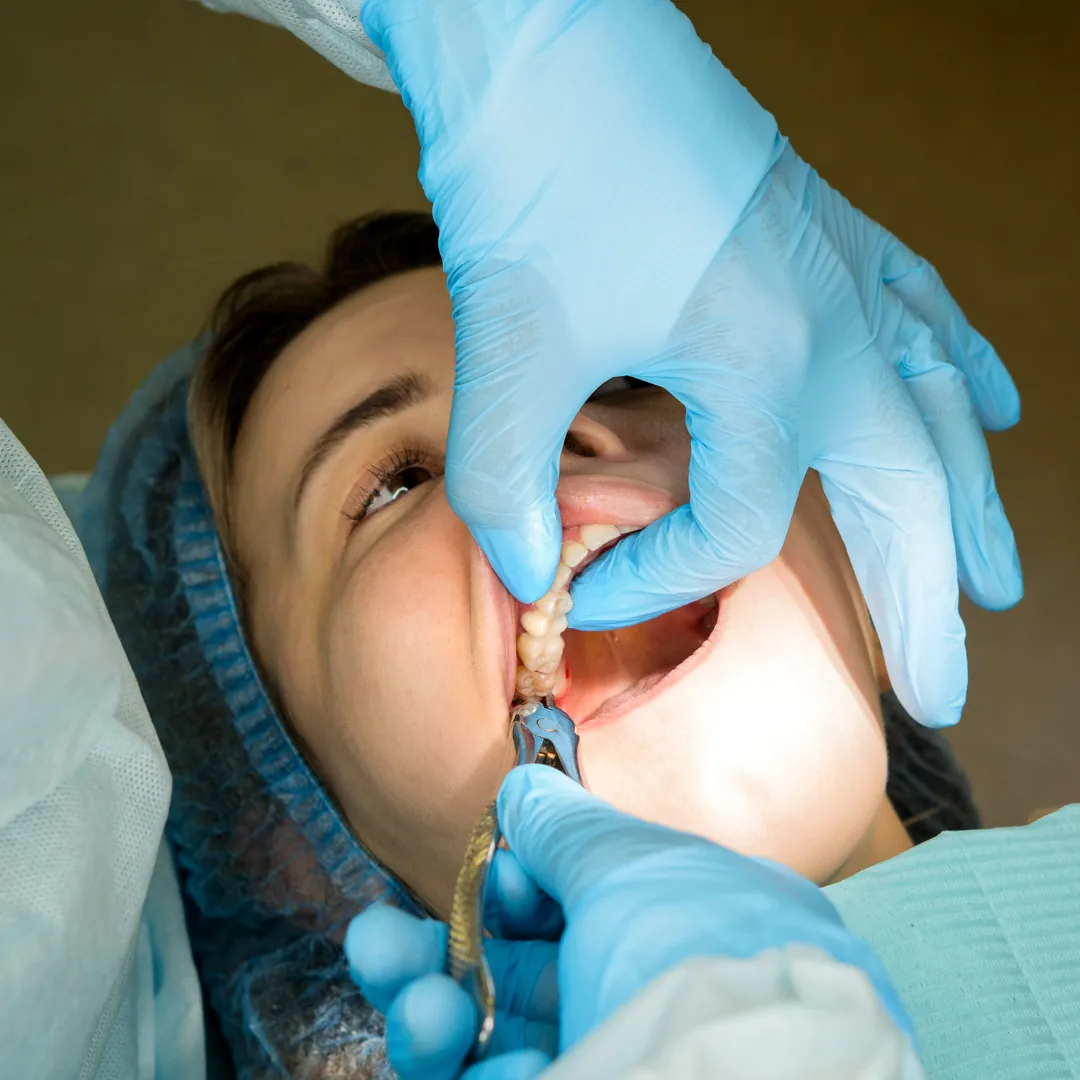
After the procedure, bite firmly on gauze for 30-45 minutes to control bleeding and form a stable blood clot. Apply ice to the outside of your cheeks for 15 minutes on, 15 minutes off, for the first 24 hours, this dramatically reduces swelling and bruising over the next few days.
Stay home and rest. Sleep with your head slightly elevated. Take pain medication on schedule, don't wait for the numbness to wear off before starting.
Days 2-3: peak swelling and managing it
Swelling typically peaks at 48-72 hours after surgery, not immediately after. Continue with cold packs through day 2. On day 3, switch to gentle warm compresses, which help clear the bruising and tightness. Some patients develop mild bruising on the outside of the jaw, it's harmless and clears within 7-10 days.
Days 4-7: gradual return to normal
By the end of the first week most patients can:
- Eat softer normal foods, pasta, soft fish, well-cooked vegetables
- Return to desk work and light physical activity
- Switch to over-the-counter pain medication if still needed
- Resume gentle exercise (avoid heavy lifting for 7-10 days total)
- Open the mouth more comfortably as muscle tightness eases
Things to avoid through day 7
These habits delay healing or risk complications:
- Smoking or vaping (significantly raises dry socket risk)
- Drinking through straws (suction can dislodge the clot)
- Vigorous spitting or rinsing
- Alcohol (irritates the wound and interacts with pain meds)
- Hard, crunchy, or seedy foods (chips, popcorn, granola)
- Strenuous exercise that elevates blood pressure
Day 7 to 14: the final phase
Most patients feel mostly back to normal by day 7. By day 14, the gum tissue has closed over the socket and you can return to your full normal diet. Complete bone healing inside the socket takes 6-8 weeks, but it's not something you notice.
We schedule a quick follow-up around day 7 to check the sites and remove any sutures that weren't dissolvable. Call us if pain worsens on days 3-5 (possible dry socket), if you have fever, or if swelling increases instead of decreasing.
Signs of normal vs. abnormal recovery
Knowing what's normal saves a lot of worried phone calls. Typical recovery vs. signs we want to hear about:
Normal: swelling that peaks around day 2-3 then improves daily, mild bruising on the cheek or jaw, gradual return to soft chewing by day 5-7, some bleeding the first 24 hours that tapers off, mild bad breath until the sockets close.
Abnormal, call us: increasing pain after day 3 (not decreasing), foul taste or pus from the socket, swelling that worsens after day 4, fever above 101°F, bleeding that won't stop with pressure after 4+ hours, numbness in the lip or chin that persists more than a few days. Most patients heal uneventfully, but the few who don't benefit from quick attention.
Questions about your specific case?
Every patient's mouth is different. The article above covers the general principles, for a personalized recommendation, schedule a consultation with Dr. Sidhu.