Two kinds of stains: extrinsic and intrinsic
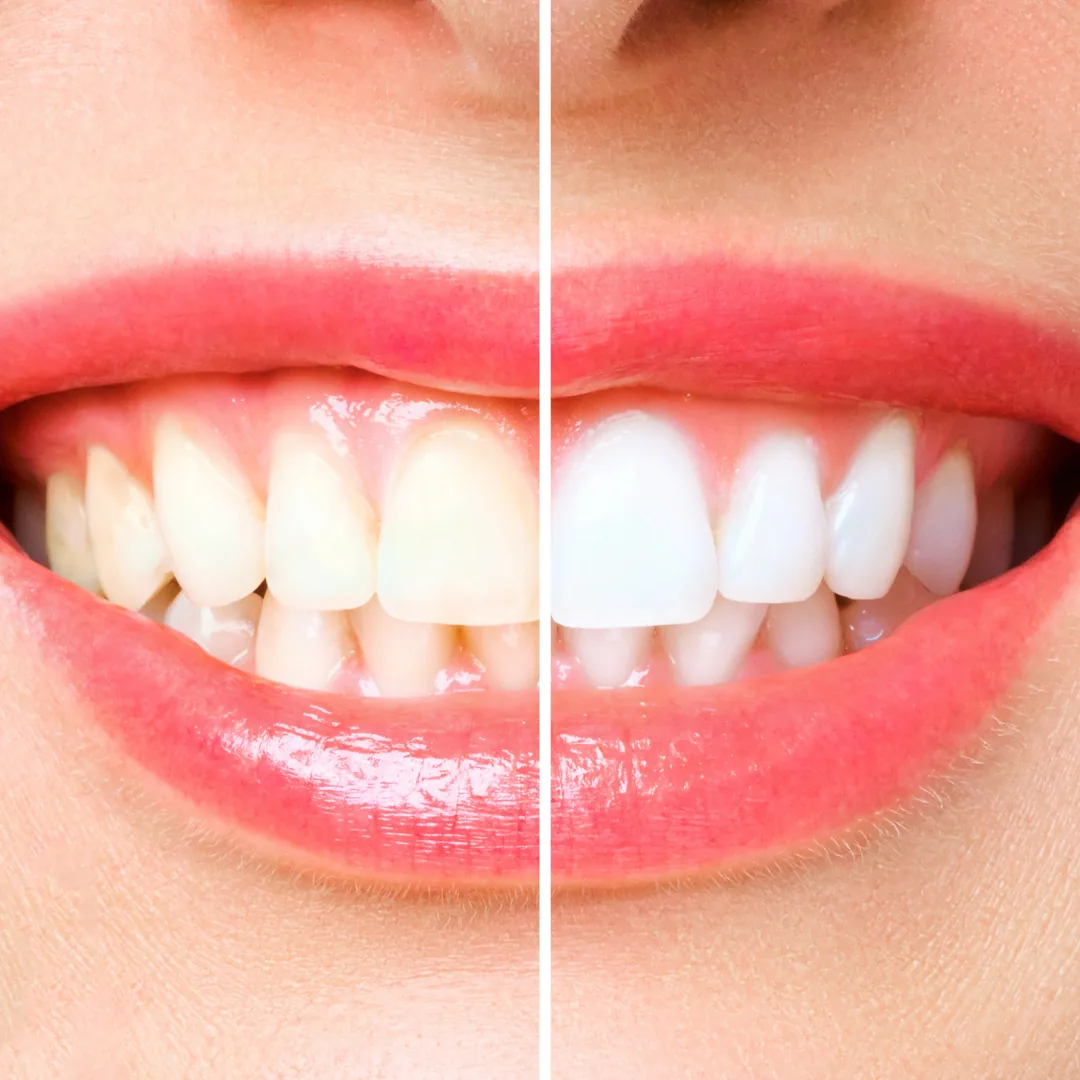
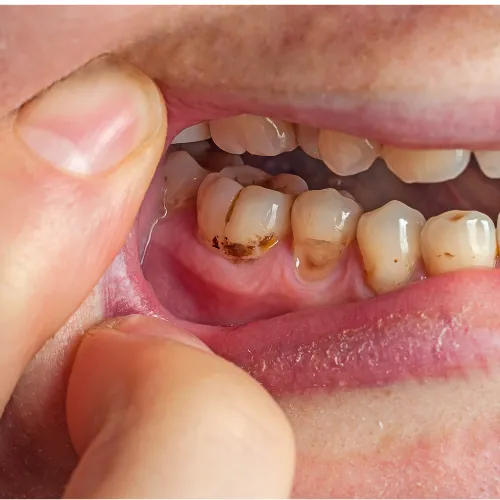
Extrinsic stains sit on the surface of the enamel. They come from food, drinks, tobacco, and pigmented mouth rinses. They generally respond well to professional cleaning and surface whitening.
Intrinsic stains live inside the tooth structure. They come from age (enamel thinning), trauma to a tooth, certain medications (tetracycline is the classic example), and excess fluoride during tooth development. They require peroxide-based whitening to lift, or in severe cases, veneers.
The biggest culprits
If you want to reduce staining, watch these:
- Coffee and tea, high tannin content, daily exposure
- Red wine, combination of tannins and acid that opens enamel
- Cola and dark soda, acid plus pigment is the worst combo
- Berries and curry, strong pigment, less frequent exposure but visible
- Tobacco, nicotine and tar leave hard-to-remove yellow-brown stains
- Iron supplements and chlorhexidine rinses, can cause gray-black surface stains
How to prevent staining without giving up coffee
Drink coffee, tea, and wine with meals rather than sipping all day. Rinse with water afterward. Use a straw for cold drinks like iced coffee, iced tea, and cola, it bypasses the front teeth where stains show most. Wait 30 minutes after acidic drinks before brushing (acid softens enamel; brushing immediately can wear it down).
Age and enamel thinning
Enamel naturally thins over decades, revealing more of the yellowish dentin underneath. This is one of the most common reasons mature patients feel their smile has dulled, even with no obvious staining. Professional whitening lifts both the surface stain and brightens the dentin underneath through the enamel.
When to consider professional whitening
If you've tried over-the-counter whitening for a few cycles without satisfying results, or if your stains feel resistant to brushing, come in for a professional consultation. We'll evaluate the type of stain and recommend the route, in-office, take-home, or a combination, that fits your goals.
Hidden staining sources patients miss
Most patients know coffee and red wine stain teeth. The less-obvious culprits add up faster than you'd think:
- Iced tea (often worse than hot tea because of longer sipping time)
- Berries, blueberries, blackberries, pomegranate, leave more pigment than people realize
- Curry, tomato sauce, and balsamic vinegar from daily cooking
- Some prescription medications (tetracycline-class antibiotics, certain antihistamines, blood pressure meds)
- Mouthwashes containing chlorhexidine, used for gum disease but leave brown stains over months
- Swimming in chlorinated pools regularly (the rare 'swimmer's stain')
Questions about your specific case?
Every patient's mouth is different. The article above covers the general principles, for a personalized recommendation, schedule a consultation with Dr. Sidhu.