
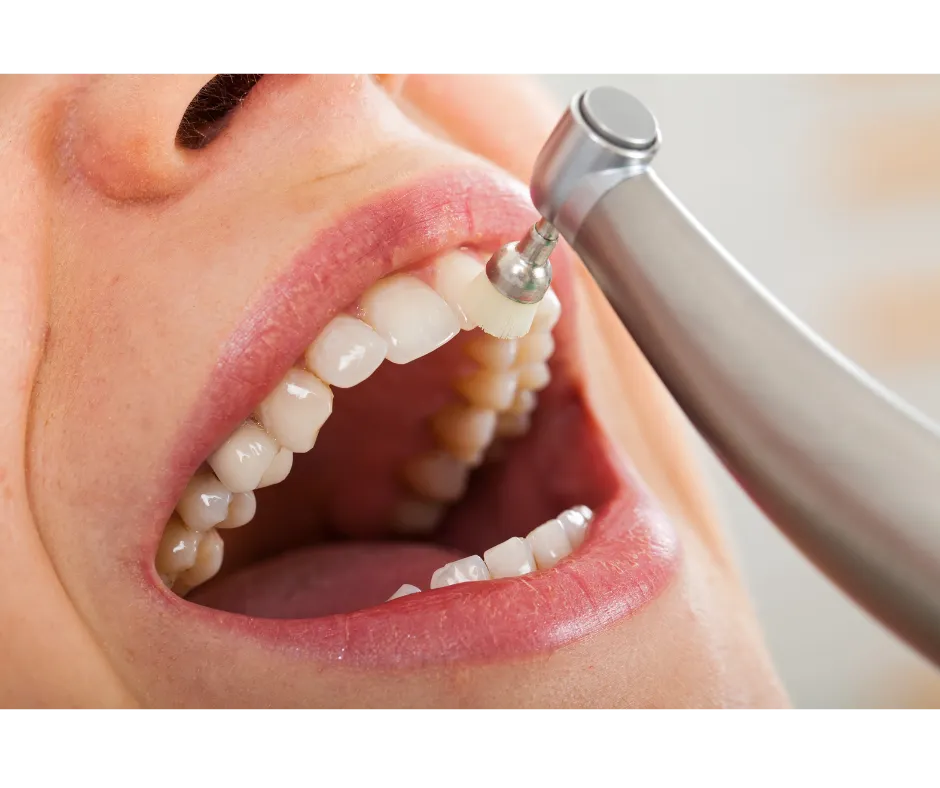
The six-month baseline (and why it exists)
For most healthy adults, the American Dental Association recommends a professional cleaning and exam every six months. The interval isn't arbitrary, it's based on how quickly plaque mineralizes into tartar (about three to six weeks after it accumulates) and how long it typically takes a small problem to grow into a bigger one.
At Cusp Dental, we follow this six-month cadence for new patients with no active gum disease, no high cavity risk, and a steady home-care routine. It keeps cleanings short, exams comprehensive, and treatment costs predictable.
When more frequent cleanings make sense
Some patients benefit from cleanings every three to four months. Dr. Sidhu typically recommends a tighter schedule if you have:
- A history of periodontal (gum) disease
- Higher cavity risk, dry mouth, frequent sweets, or chemotherapy/radiation history
- Diabetes or other conditions linked to oral health complications
- Active orthodontic treatment (braces or aligners)
- Smoking or vaping habits
- Pregnancy, hormonal changes raise gum-disease risk
What happens if you skip cleanings
Plaque that isn't professionally removed hardens into tartar within weeks. Tartar can't be brushed off, it requires specialized hand or ultrasonic instruments. Once tartar forms below the gumline, it can trigger gingivitis (reversible) and, if left untreated, periodontitis (which causes irreversible bone loss).
The second consequence is missed problems. Six-month exams catch decay between teeth, cracked fillings, and early signs of oral cancer before they become urgent, and expensive, to fix.
What Dr. Sidhu recommends after your first visit
Your first appointment at Cusp Dental sets your personalized schedule. We review home-care habits, take baseline X-rays, and measure gum-pocket depths. From there, you'll leave with a recommended cleaning interval that's based on your actual mouth, not a generic rule.
If it's been more than a year, no judgment. We'll plan a slightly longer first visit, work at your pace, and ease you back into a sustainable routine.
Signs your interval needs adjusting
Even patients on a steady six-month schedule sometimes need to tighten things up for a season. Pay attention if you notice any of these between visits: heavy tartar building back on the lower-front teeth within weeks, bleeding when you brush or floss in the same spot, persistent bad breath that mouthwash doesn't solve, or new sensitivity around the gum line.
None of those mean something is seriously wrong on its own. But together they're a signal we should look earlier rather than later, and adjust your interval to three or four months until things stabilize. Your interval isn't a sentence; it changes as your mouth changes.
Questions about your specific case?
Every patient's mouth is different. The article above covers the general principles, for a personalized recommendation, schedule a consultation with Dr. Sidhu.