The average lifespan of a composite filling
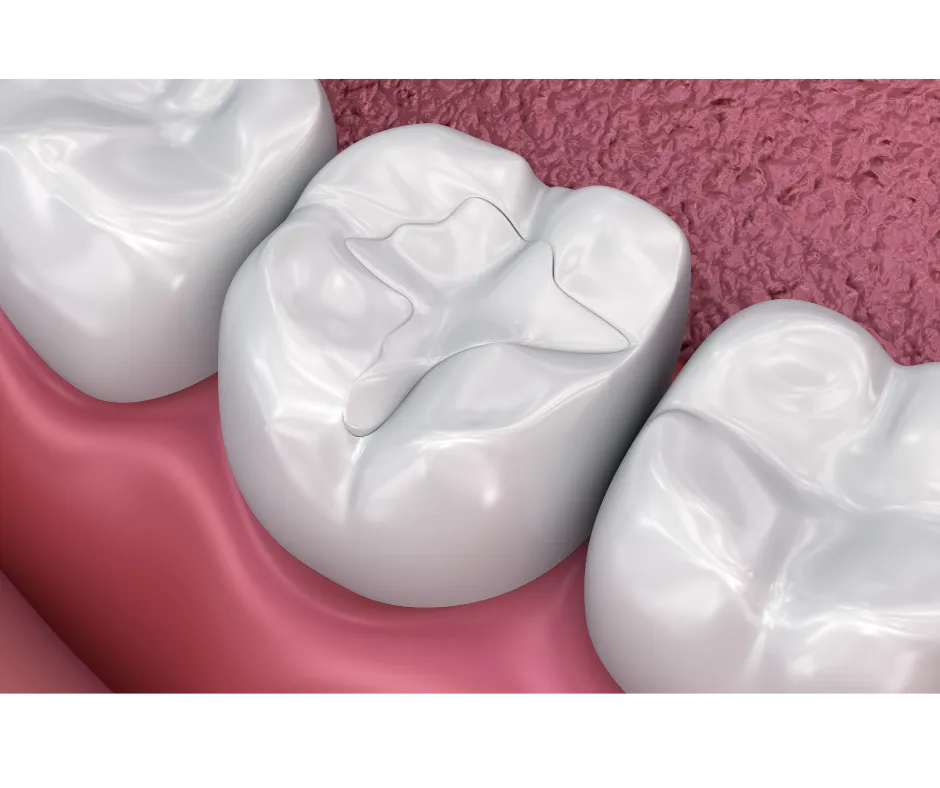
Industry research and our own clinical observation put the average lifespan of a tooth-colored filling between 7 and 10 years. Many last considerably longer, 15+ years isn't unusual for well-placed, well-maintained fillings in low-stress areas. Small fillings in front teeth tend to outlast large fillings in molars.
What matters most isn't the material, it's the size of the cavity it's repairing and the conditions in your mouth.
What shortens a filling's life
Five factors account for nearly every failed filling we see:
- Grinding or clenching (bruxism), wears the surface and chips edges
- Large size, the bigger the filling, the more leverage at the margins
- Frequent acidic drinks (soda, citrus, sports drinks), soften the surrounding enamel
- Poor home care, secondary decay forms around the margins
- Biting hard items, ice, popcorn kernels, fingernails, packaging
Signs a filling needs replacing
A failing filling rarely hurts at first. Look for: a chip or crack visible on the surface, a feeling that food gets trapped where it didn't before, sensitivity to cold that lingers after the cold goes away, or a dark line at the margin (which usually means new decay underneath).
At your routine exams, we check every filling for marginal integrity and use bite-wing X-rays to look for hidden decay. Catching a failing filling early often means a simple replacement; waiting can turn it into a crown or root canal.
How to extend the lifespan
If you grind your teeth, wear a custom nightguard. Cut back on acidic drinks, or use a straw so they bypass your front teeth. Brush gently with a soft-bristle brush, aggressive brushing wears the polish off composite over time.
And come in every six months. Most fillings we replace early were caught at routine exams before they caused pain, saving thousands of dollars compared to fixing them after they failed.
When to call us
Sudden sharp pain when biting, a piece of filling that fell out, or a tooth that's noticeably more sensitive than it was a week ago, those are reasons to call. Most filling replacements are routine; we'll get you in quickly and walk you through the options before scheduling treatment.
When to replace an old filling, and when to leave it alone
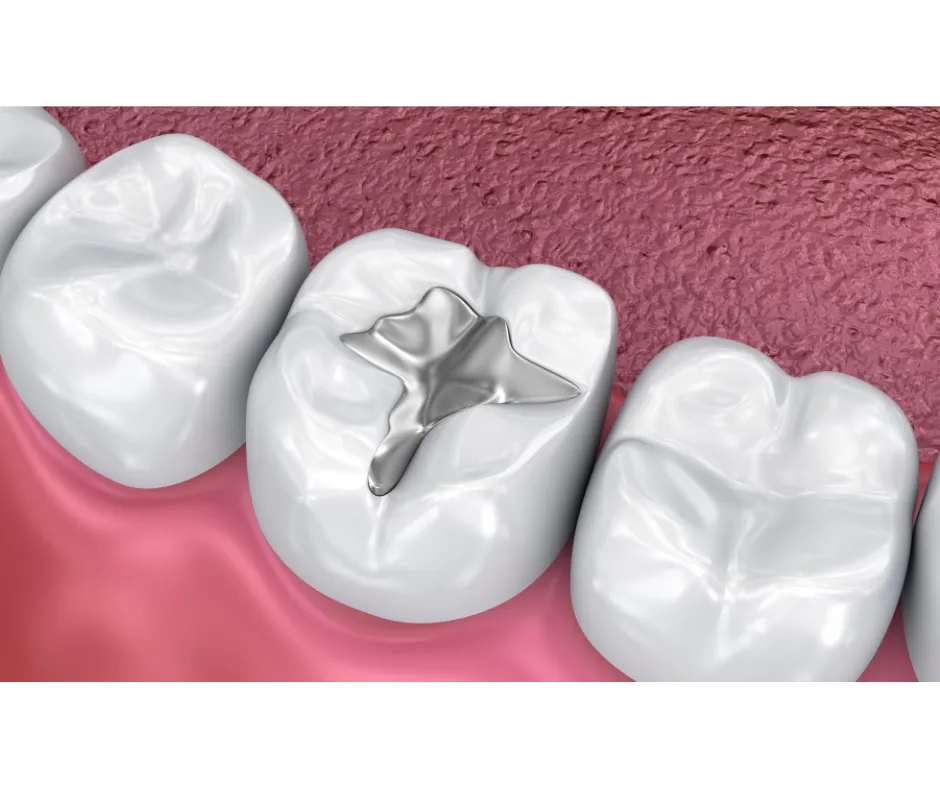
Not every old filling needs replacement. We use the 'if it ain't broke' rule: a 15-year-old amalgam that's sealed, intact, and showing no decay underneath stays put. Replacing fillings unnecessarily removes more tooth structure each time and can shorten the tooth's overall life.
What does warrant replacement: visible cracks in the filling or surrounding enamel, dark shadows on X-rays suggesting recurrent decay underneath, chips that have created food traps, or wear deep enough to lose the original anatomy. At each cleaning we evaluate every existing filling on a four-point scale and flag any that are within a year or two of needing attention, so you can plan, not scramble.
Questions about your specific case?
Every patient's mouth is different. The article above covers the general principles, for a personalized recommendation, schedule a consultation with Dr. Sidhu.