Full dentures replace every tooth in an arch
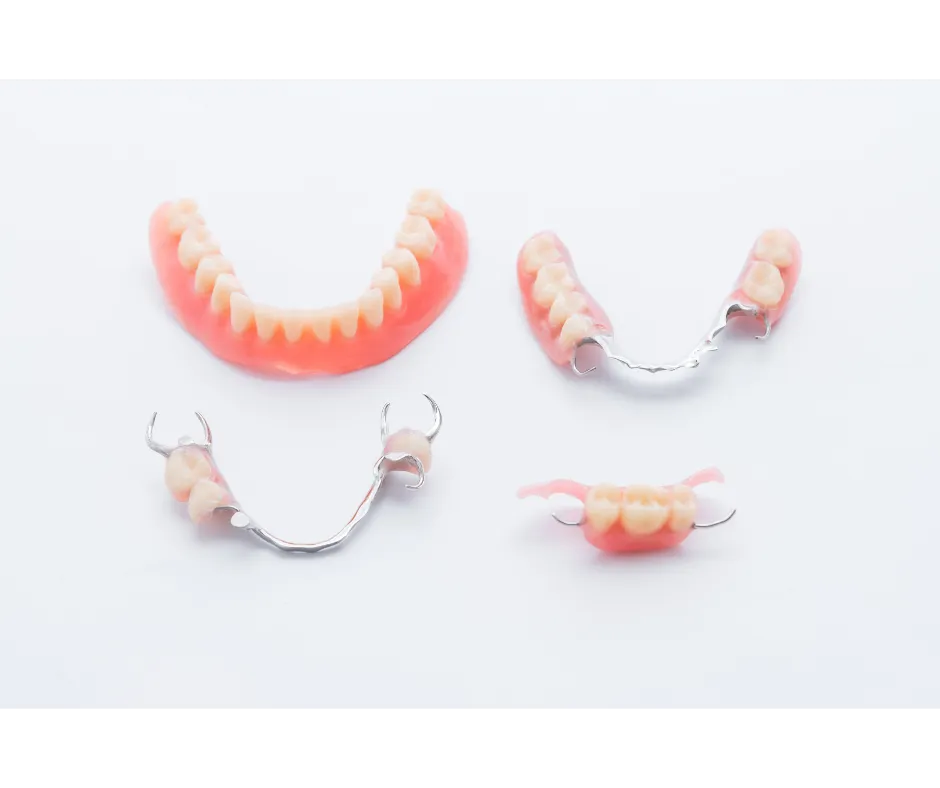
A full (or complete) denture replaces all of the teeth in either the upper jaw, the lower jaw, or both. The denture rests on the gum tissue and, in the upper jaw, uses suction against the palate to stay in place. In the lower jaw, the denture sits on the gum ridge but has less natural retention, which is why many lower-denture patients benefit from a few implants for stability.
Full dentures are recommended when most or all natural teeth in an arch are missing, when remaining teeth aren't healthy enough to save, or when severe gum disease has compromised the supporting bone.
Partial dentures fill in gaps
A partial denture replaces only the teeth that are missing while clasping onto the remaining natural teeth for support. The most common framework is a lightweight metal alloy with tooth-colored acrylic, but flexible nylon partials and all-acrylic options exist for specific cases.
Partials are a great option when several teeth are missing but enough strong, healthy teeth remain to anchor the appliance. They preserve those remaining teeth (no shaping required, unlike a bridge) and can be removed for cleaning.
Comparing the two side by side
Quick comparison of common considerations:
- Cost: partials are generally less expensive than full dentures
- Bite force: partials retain more chewing function because natural teeth share the load
- Bone preservation: neither preserves bone like an implant does, bone loss continues over time
- Maintenance: both must be removed for cleaning and at night
- Adjustment period: full dentures take longer to adapt to, especially in the lower arch
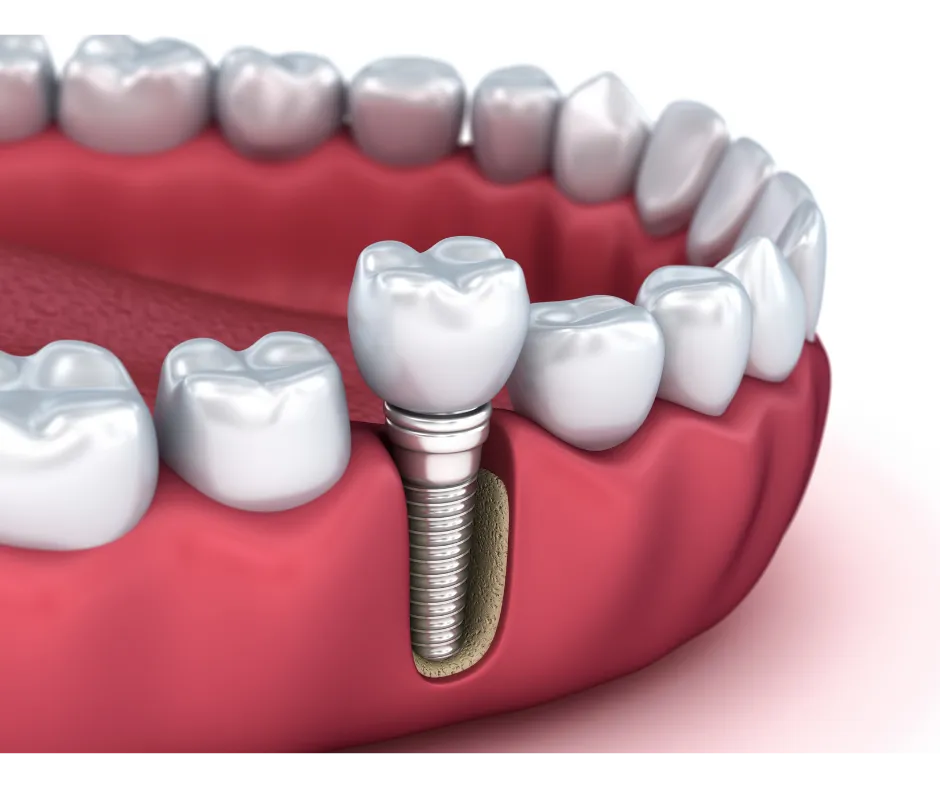
Implant-supported options for both
Both full and partial dentures can be enhanced with implants. For full dentures, two to four implants per arch dramatically improve retention and chewing stability. For partials, an implant in a key location can eliminate visible clasps. We discuss these upgrades during consultation when bone volume and budget allow.
What to expect from your consultation
Dr. Sidhu evaluates your existing teeth, gums, and bone level, takes X-rays, and reviews how you've handled previous dental work. From there, we discuss which option fits your mouth, your budget, and your daily routine. You leave with a written treatment plan and a clear sense of timeline.
Hybrid options between dentures and implants
The choice isn't just full denture vs. partial denture vs. nothing. Several hybrid options sit between traditional dentures and full implant restoration, often at a fraction of the cost of a full-mouth implant case:
- Implant-supported overdenture, two to four implants stabilize a removable denture
- Implant-retained fixed denture (All-on-4), non-removable, snaps on permanently
- Implant + partial denture combination, implants restore a few key teeth, partial fills the rest
- Flexible partial denture, nylon-based, no metal clasps, good for one-to-three-tooth gaps
- Snap-on overdenture, overlay clips onto remaining natural teeth for added stability
Questions about your specific case?
Every patient's mouth is different. The article above covers the general principles, for a personalized recommendation, schedule a consultation with Dr. Sidhu.