Knocked-out tooth: the first 5 minutes
Find the tooth. Pick it up by the crown, the white part you normally see, NOT the root. The cells on the root surface are delicate and the key to whether the tooth can be re-implanted. If there's visible dirt, rinse it briefly under cool water (a few seconds) or, better, rinse it in milk.
If the patient is conscious and calm: re-implant immediately
A permanent tooth has the best chance of survival if it's put back in its socket within 30 minutes. If you can:
Gently slide the tooth back into the socket, root-first, until it sits level with adjacent teeth. Bite softly on a clean gauze or cloth to keep it in place. Come straight to our office. Time matters, call us on the way.
If re-implanting isn't possible: store correctly
If the tooth can't be replaced in the socket, transport it safely. Best storage media, in order:
- Milk (best, protects root surface cells for several hours)
- Saline solution (contact lens solution works in a pinch)
- Saliva, place the tooth in the patient's cheek pouch IF they're old enough not to swallow it
- DO NOT store in water, the osmotic difference damages root cells
- DO NOT wrap in tissue or paper, it dries the root out
Broken tooth: protecting the piece
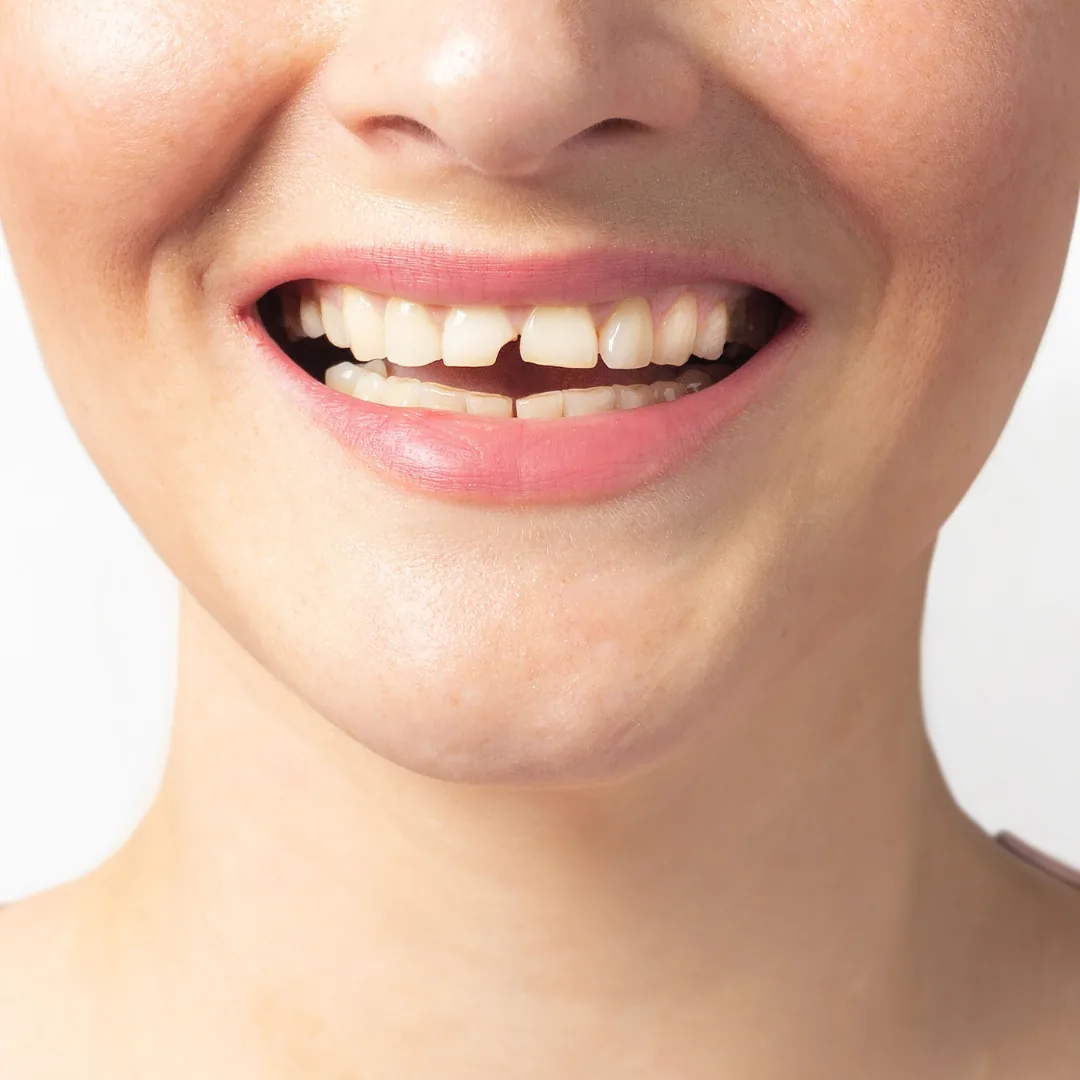
If a tooth breaks, save every piece you find. Store in milk or saline. Rinse the patient's mouth gently with warm water. Apply a cold compress to the outside of the cheek to reduce swelling. If the break exposes the inner pink-red pulp tissue, the tooth needs urgent care, call us within the hour.
Dr. Sidhu can sometimes bond a broken piece back onto the tooth if the fracture line is clean and the piece is preserved well.
Baby teeth are different
Don't try to re-implant a knocked-out baby tooth, it can damage the developing permanent tooth underneath. Save the tooth in milk anyway and bring it with you so we can verify it's the whole tooth and there's no root left in the socket.
Tools to keep in your home dental kit
A small dental first-aid kit at home can save a tooth in the critical first 30 minutes. What we recommend keeping on hand:
- Save-A-Tooth or similar tooth-preservation kit (HBSS solution), available at most pharmacies
- Small container with a lid (for milk transport if you don't have HBSS)
- Sterile gauze pads, for bleeding control
- Over-the-counter pain medication (ibuprofen and acetaminophen, alternate, don't combine doses)
- Temporary dental cement (Dentemp or similar), for lost crowns or fillings
- Cusp Dental's phone number saved in your phone: (916) 451-4856
- Cold compress or instant ice pack for swelling and trauma
Questions about your specific case?
Every patient's mouth is different. The article above covers the general principles, for a personalized recommendation, schedule a consultation with Dr. Sidhu.